

Breakfast is often dubbed the most important meal of the day, and for business owners in Europe, this age-old adage holds significant weight. European breakfasts offer a vibrant tapestry of cultural diversity that can be a powerful tool in enhancing client relations and boosting employee morale. The variety found across different countries-from the rich pastries of France to the hearty breads of Germany and the savory delights of a Portuguese breakfast-serves not only as a delicious start to the day but also as a bridge between cultures. Understanding and embracing these differences can foster a sense of community and inclusion within the workplace. Moreover, sharing a traditional European breakfast during meetings or gatherings can lead to stronger partnerships and a deeper connection with both clients and employees, turning simple moments into opportunities for collaboration and engagement. As we explore the delightful nuances of a European breakfast, we’ll uncover how this meal can open doors to new experiences and strengthen the bonds that matter most in the business world. Explore the delights at Dimaniyat Cafe and find the perfect delights for your next business meeting.
The History of European Breakfast Traditions
Breakfast traditions across Europe offer a fascinating glimpse into cultural diversity, regional agriculture, and historical influences. From the hearty English breakfast to the light French croissant, every country presents a unique morning meal that reflects its identity.
England and the Hearty Breakfast
In England, breakfast has historically been a robust affair. The classic Full English Breakfast includes eggs, sausages, bacon, baked beans, and toast, showcasing the country’s agricultural richness. This tradition began in the late 19th century and was tied to the agricultural laborers’ need for a filling meal to start their day. Today, it remains popular not only in homes but also in cafes and restaurants aiming to attract both locals and tourists seeking an authentic experience.
Continental Europe: The Evolution of Simplicity
The continental breakfast originated in France during the 19th century, serving as a lighter option compared to its English counterpart. Common components include fresh bread, pastries such as croissants and pain au chocolat, and a selection of beverages including coffee or tea. This concept has evolved over time, often including yogurt and fresh fruits, particularly in more upscale hotels. Its appeal lies in simplicity, allowing guests to enjoy a quick yet satisfying meal before a busy day.
Scandinavia: Fresh and Open-Faced
Countries such as Denmark and Sweden have their own unique breakfast traditions. The Smørrebrød, an open-faced sandwich topped with various ingredients like fish, cheeses, and meats, exemplifies the fresh and healthy Scandinavian approach. A typical Scandinavian breakfast might also include rye bread, herring, and strong coffee, emphasizing the use of local and seasonal produce.
The Mediterranean Influence
In Mediterranean countries like Spain and Greece, the breakfast scene shifts to lighter fare. In Spain, a common breakfast includes a café con leche and pastries like churros. Meanwhile, Greek breakfasts often consist of bread paired with olives and feta cheese, accompanied by a strong brew of Greek coffee. These meals reflect the local climate and agricultural practices, relying heavily on fresh, flavorful ingredients.
Eastern Europe: Hearty and Comforting
Eastern European nations like Poland and Hungary offer warm breads, jams, and cottage cheese for breakfast, often with herbal teas or coffee. The focus is often on making the meal feel hearty and satisfying, with regional variations that incorporate seasonal produce and traditional recipes.
These diverse breakfast offerings are not just meals but also a gateway to experiencing the culture of each country, making them essential to consider for any café owner looking to enhance their menu. By understanding and integrating such traditions, businesses can attract customers eager to explore the global flavors of breakfast.
To dive deeper into unique breakfast offerings from the Mediterranean region, explore our Portuguese breakfast post. For more insights on delightful menu options, check out our offerings at Dimaniyat Café.
Popular European Breakfasts
As a business owner looking to attract a diverse clientele, understanding the cultural significance and variety of European breakfasts can help you create an appealing breakfast menu. Here’s an ordered list of popular breakfast types across Europe:
-
English Breakfast
The traditional English breakfast, also known as Full English, is a hearty dish typically containing fried eggs, bacon, sausages, black pudding, grilled tomatoes, mushrooms, baked beans, and toast. Served on a large platter, it’s often complemented by strong English breakfast tea. This meal originated in the 13th century and grew popular during the Industrial Revolution for its hearty nature. Learn more about English breakfast. -
French Breakfast (Petit Déjeuner)
French breakfasts are light and simple, typically focusing on fresh pastries and bread. Common components include a baguette or croissant with butter and jam, sometimes accompanied by cheese or cold cuts, along with a hot beverage like coffee, tea, or café au lait. This breakfast reflects the French appreciation for high-quality ingredients. Read more about French breakfast. -
Italian Breakfast
An Italian breakfast is usually modest, often consisting of a cappuccino or espresso paired with a cornetto (sweet flaky pastry) or a slice of bread with jam or Nutella. Italians typically do not consume cereal or yogurt in the morning, preferring a quick meal enjoyed standing at a café bar. Explore Italian breakfast options. -
Spanish Breakfast
Spanish breakfasts are generally light, featuring coffee such as café con leche or espresso with pastries like churros or medialunas (croissants). In rural areas, people may have a heavier meal, including tortilla española (Spanish omelette) and cured ham. However, skipping breakfast is common in urban settings due to later lunch timings. Discover Spanish breakfast culture. -
Portuguese Breakfast
The Portuguese breakfast is often simple yet satisfying, typically including coffee (café com leite), rice cakes (bolo de arroz), custard tarts (pastéis de nata), or cod fritters (bolinhos de bacalhau). It’s common to enjoy bread with butter and jam, reflecting a leisurely breakfast philosophy. Check out Portuguese breakfast ideas.
By incorporating these distinct breakfast items into your café’s offerings, you can attract a wider range of patrons and provide an authentic European dining experience.
Key Nutritional Benefits of Common European Breakfast Foods
Breakfast is often hailed as the most important meal of the day, especially for employees needing sustained energy and focus. In Europe, breakfast items like croissants, pastries, and yogurt are staples. However, understanding their nutritional values can help you choose options that enhance productivity and health. Here’s a closer look at some common European breakfast foods:
Croissants
Croissants are a beloved pastry found in many European countries. A typical plain croissant (approximately 70g) contains around 280-300 calories, along with 15g of fat (including 8g of saturated fat), 30g of carbohydrates (with about 10g as sugars), and 5g of protein. While delicious, they are low in essential nutrients like fiber and vitamins, which can affect sustained energy levels.
Pastries and Danish
Pastries like danishes and other sweet treats often contain similar high levels of calories and fats. For instance, a cinnamon Danish pastry has about 430 calories, similar to a croissant. These are appealing but tend to spike sugar levels, leading to energy crashes. They should generally be consumed in moderation, especially for employees who need to maintain stable energy and focus throughout the day.
Greek Yogurt
In contrast, Greek yogurt is an excellent breakfast option. A serving of plain Greek yogurt (150g) offers approximately 100 calories, with 10g of protein, only 3g of fat, and minimal sugar. It’s rich in calcium and probiotics, promoting digestive health and providing long-lasting energy. Including yogurt in breakfast can enhance mental clarity and support a healthy diet.
Nutritional Comparison
To provide a clear view of the nutritional values of these breakfast items, here’s a comparative table:
| Food Item | Calories (per 100g) | Protein (g) | Total Fat (g) | Carbohydrates (g) |
|---|---|---|---|---|
| Croissant | 428 | 6.5 | 27.9 | 47.5 |
| Danish Pastry (Cinnamon, Enriched) | 430 | 4.5 | 28.5 | 47.0 |
| Greek Yogurt (Plain, 2%) | 59 | 10.0 | 0.4 | 3.0 |
Conclusion
While traditional European breakfast foods like croissants and pastries are enjoyed for their taste, they may not provide the sustained energy needed for productivity. Instead, opting for Greek yogurt and incorporating whole grains can offer a nutritious, energy-boosting breakfast. As a business owner, providing a balanced breakfast option can enhance employee satisfaction and efficiency in the workplace. For more delightful breakfast ideas, explore the delights at Dimaniyat Café.

An enticing breakfast spread showcasing the nutritional benefits of various items.
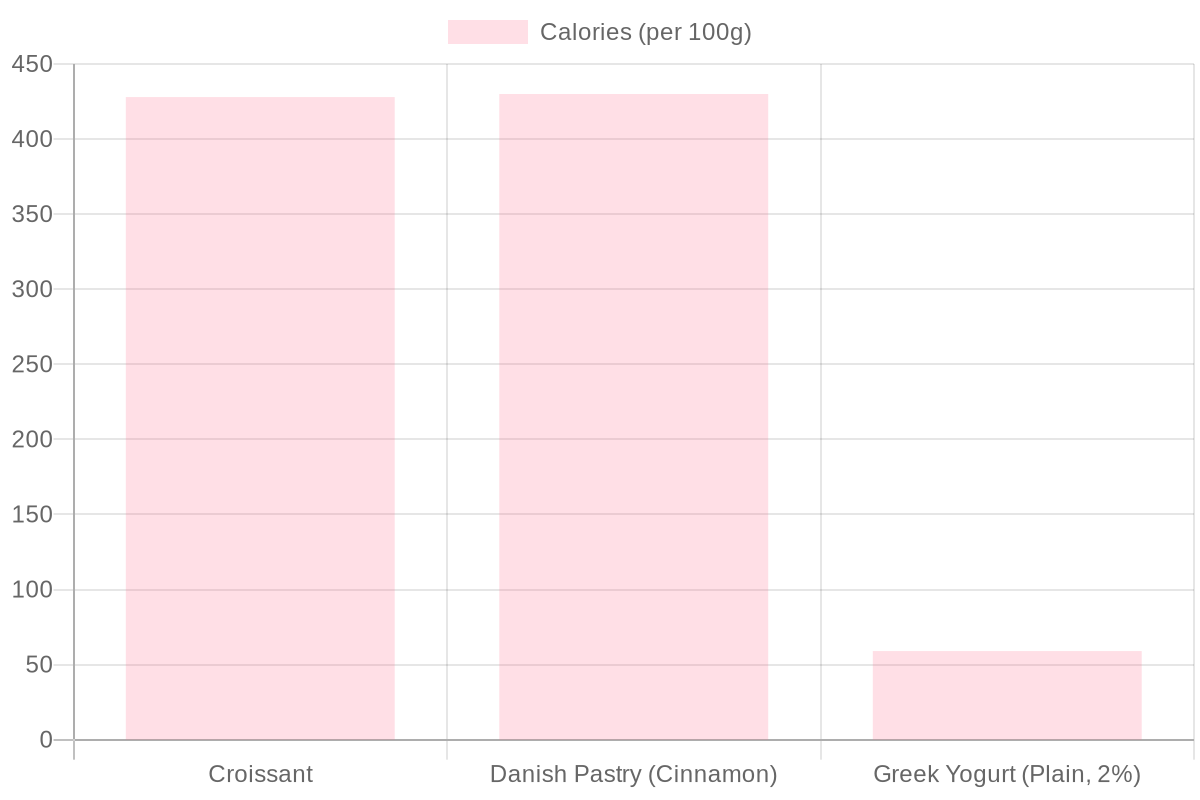
Comparison of calories among popular breakfast choices.
Comparing Popular European Breakfast Dishes
Below is a comparative table showcasing some of the popular breakfast dishes from Europe, along with their main ingredients, origin countries, and cultural significance:
| Dish | Name (Local/English) | Main Ingredients | Origin Country | Cultural Significance |
|---|---|---|---|---|
| Full English Breakfast | Full English Breakfast, Fry-up | Bacon, sausages, eggs, baked beans, mushrooms, grilled tomatoes, black pudding, toast | United Kingdom | A hearty, traditional morning meal symbolizing British comfort food; often associated with Sunday brunch and leisurely mornings. Popular in pubs and hotels across the UK. |
| Croissant | Croissant | Butter, flour, yeast, sugar, salt | France | A symbol of French baking excellence; represents elegance and refinement. Traditionally eaten for breakfast or as a snack, often paired with coffee. Associated with Parisian café culture. |
| Spanish Tortilla | Tortilla Española | Potatoes, eggs, onions, olive oil | Spain | A staple of Spanish cuisine; deeply rooted in regional cooking traditions. Often served cold as part of a tapas spread or hot for breakfast. Reflects Spain’s love for simple, flavorful ingredients. |
| Greek Yoghurt | Greek Yoghurt (or Τυρόσουρος) | Cultured milk, strained to remove whey | Greece | Known for its thick texture and high protein content. Central to Greek diet and health culture; commonly consumed with honey, fruit, or granola. Symbolizes Mediterranean lifestyle and longevity. |
| Hungarian Bundás Kenyér | Bundás Kenyér | Fried bread slices, butter, sour cream, sometimes cheese | Hungary | A beloved traditional breakfast dish, especially popular in rural areas and homes. Represents home-cooked simplicity and warmth. Often enjoyed with tea or coffee, reflecting Hungarian hospitality. |
Sources:
- BBC Food – Full English Breakfast
- France Today – The Story of the Croissant
- Spain.info – Spanish Tortilla
- Greek Ministry of Health – National Diet & Nutrition
- Hungarian Tourism Office – Traditional Foods
For more insights into European breakfast options, you can explore the delights at Dimaniyat Cafe and learn more about Portuguese breakfast.
Notable European Breakfast Trends in 2023
In recent years, the breakfast offerings in European hotels and restaurants have evolved significantly, characterized by a shift towards health, sustainability, and gourmet experiences. Understanding these trends can help business owners align their offerings with consumer preferences and enhance customer satisfaction.
Key Trends
- Customization and Local Authenticity
European establishments are breaking away from the traditional continental breakfast. Many are now incorporating local specialties, such as:
- French croissants served with regional jams
- German pretzels paired with local cheeses
- Italian bruschetta featuring seasonal tomatoes
Such offerings emphasize a sense of place and cater to travelers’ desires for authentic culinary experiences.
Learn more about the delights at Dimaniyat Cafe
- Health-Conscious Choices
The growing demand for healthier options is evident, with many hotels now offering:
- Whole-grain bread and fruit bowls instead of sugary pastries
- Plant-based proteins like chickpea falafel and tofu scrambles
- Greek yogurt and fermented dairy products that promote gut health
This trend aligns with consumer preferences for nutritious meals that support their wellness goals.
-
Sustainability Practices
Sustainability remains at the forefront, with businesses seeking to source ingredients from nearby farms and eliminate single-use plastics. Many are opting for reusable or compostable packaging for takeaway orders. This shift not only meets consumer demand for ethical dining but also enhances brand reputation. -
Experience-Driven Breakfasts
Unique dining experiences, such as cooking demonstrations and scenic breakfast settings, are becoming increasingly popular. Guests enjoy meals with stunning views of historic landscapes or while participating in hands-on cooking sessions, creating memorable moments during their travels. -
Gourmet Innovations
The rise of gourmet breakfast options is notable, with menus featuring artisanal items like
- Handcrafted whole grain bread with wild fruit preserves
- Sustainably sourced seafood, such as smoked salmon
- Zero-waste juices
This gourmet trend caters to a discerning audience seeking high-quality and ethically sourced ingredients.
Explore more about breakfast options at Dimaniyat Cafe
Conclusion
The landscape of European breakfast offerings is rapidly changing, influenced by health trends, sustainability, and a taste for gourmet experiences. Business owners can gain competitive advantages by adapting their menu strategies to incorporate local authenticity, health-conscious items, and sustainable practices. By doing so, they can attract a broader range of consumers eager for innovative breakfast experiences that resonate with modern dining expectations.
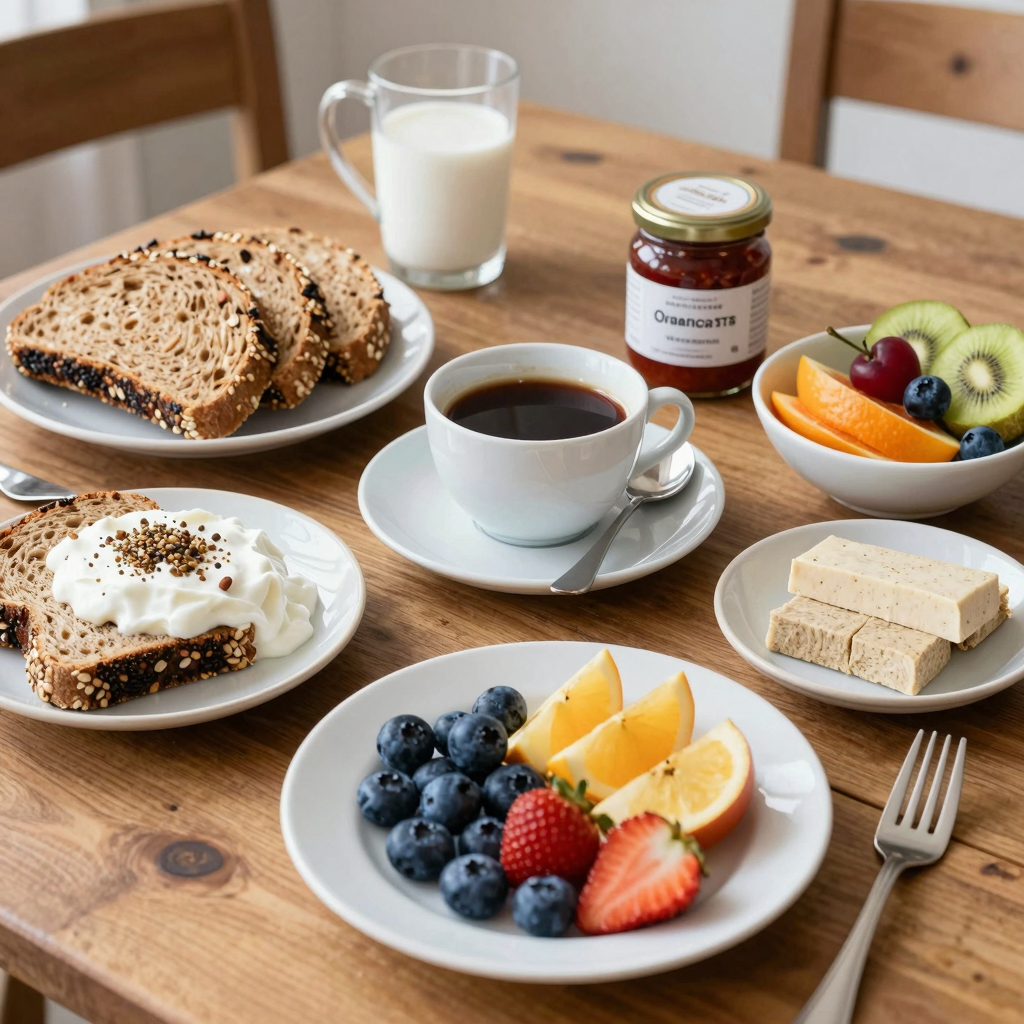
Image representing a sustainable and gourmet breakfast spread in Europe.
Incorporating European Breakfasts into Business Practices
Incorporating elements of European breakfasts into your business operations can serve to enhance employee engagement and client relationships. With the growing trend of adopting lighter, healthier eating options during meetings and events, a European-style breakfast can provide not only nourishment but also foster a more relaxed and collegial atmosphere. Here are actionable suggestions on how to seamlessly integrate this delightful approach into your business practices:
Offer a Varied Breakfast Menu
Consider creating a breakfast menu that includes:
- Pastries and Bread: Offer fresh croissants, baguettes, and artisan breads to add an authentic touch.
- Fruits and Yoghurt: A selection of seasonal fruits and natural yoghurts encourages light, nutritious eating and promotes mental clarity. Research indicates that lighter breakfasts lead to higher focus during morning strategy sessions (HBR).
- Beverages: Provide a variety of coffees, teas, and freshly squeezed juices that cater to diverse preferences.
This will not only appeal visually but also cater to various dietary preferences and restrictions.
Create a Comfortable Atmosphere
Set the stage for informal networking or productive meetings. The ambiance can be enhanced by:
- Setting Up Buffets: A buffet-style setup can make it easier for people to mingle and encourages informal discussions, a practice that aligns well with European business culture.
- Casual Seating Arrangements: Use round tables or seating areas that promote conversation rather than formal setups. It’s believed that such environments help in establishing trust and open communication, vital for successful partnerships and collaboration.
Plan Breakfast Meetings During Optimal Hours
Aim to schedule breakfast meetings between 7:30 and 9:00 AM. This is typically a window when energy levels peak and participants are more engaged. Offering breakfast during these hours aligns with the typical schedule favored in many European cultures, sending a subtle message of cross-cultural respect (Diplomatic Courier).
Emphasize Social Interaction
Integrating a European breakfast into business practices also encourages social networking. Employees tend to report higher engagement levels when meals are presented in a casual, welcoming manner. Data shows that firms that introduced lighter European breakfasts noted a 68% increase in meeting participation compared to traditional heavy meals (Forbes).
Use It as an Engagement Tool
Instead of traditional lunch meetings, propose breakfasts for brainstorming sessions or team-building activities. This shift not only aids in maintaining energy levels but also enhances creativity and teamwork by creating an enjoyable environment.
For further insights and inspiration on integrating delightful breakfast experiences into your business, explore the culinary delights at Dimaniyat Cafe. Whether you are looking for catering options or idea inspiration for your next meeting, incorporating elements of European breakfasts can strengthen your business relationships and boost employee satisfaction.
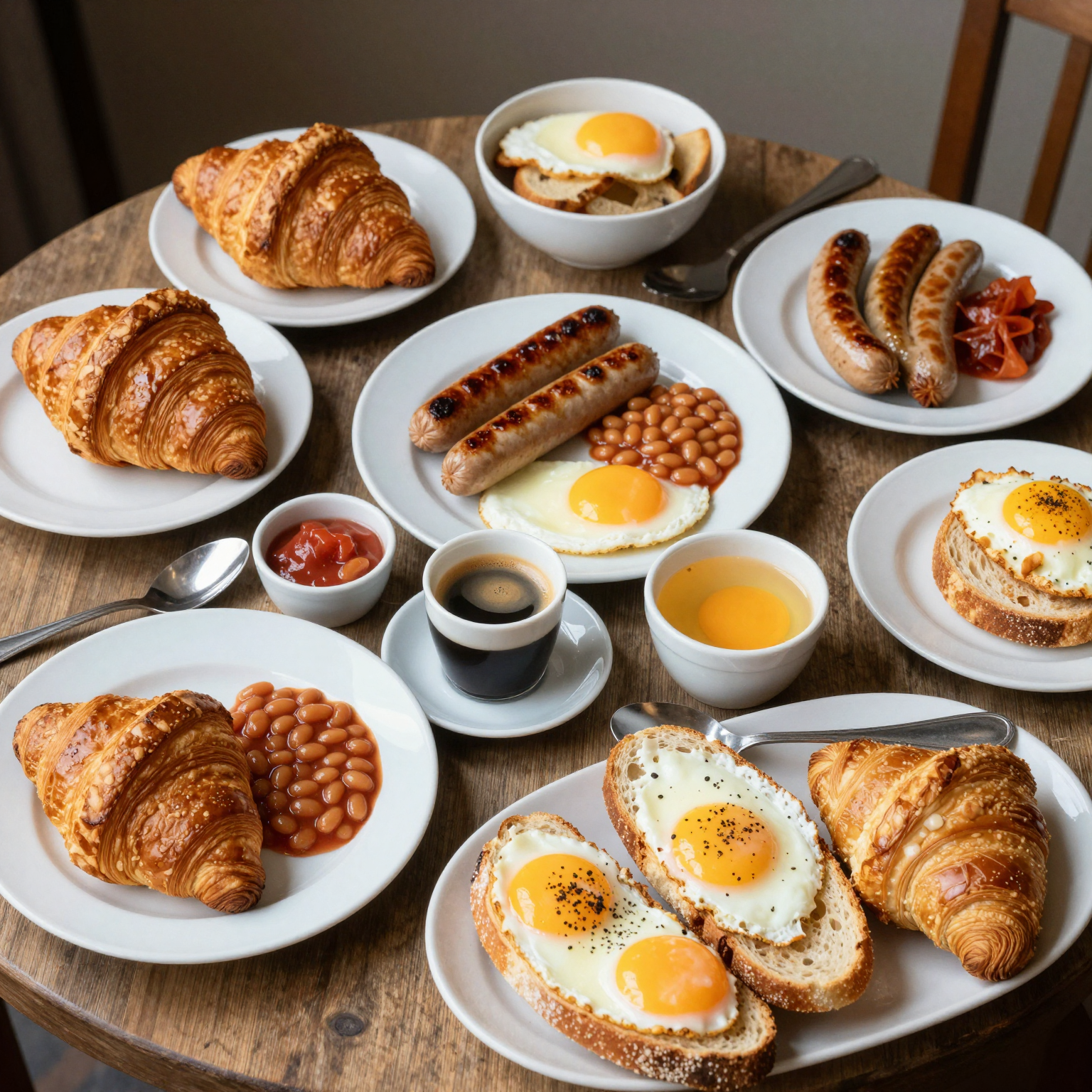
A picturesque arrangement showcasing a traditional European breakfast spread, including delightful items like croissants, sausages, baked beans, Italian espresso, and more. This image highlights the diversity and richness of European breakfast traditions, inviting business owners to explore the culinary offerings at their local cafes.
The Importance of Breakfast in Business Culture
In the realm of business, especially within European culture, breakfast is not merely a meal, but an essential event that symbolizes commitment, collaboration, and energy for the day ahead. As Chloé Dubois, a renowned French chef, eloquently put it:
“A carefully prepared breakfast is like a perfect symphony; it sets the tone for both body and mind.”
This statement underscores the profound importance that breakfast holds, not just for nourishment but for fostering connections and a productive atmosphere in the workplace.
In Europe, breakfast meetings are commonly used as informal yet effective settings to build relationships and make swift decisions. They embody a blend of cultural respect for food and the pragmatic execution of business strategies. It emphasizes the concept that the right meal can enhance not only physical well-being but also mental clarity and teamwork.
For business owners seeking to create a thriving work culture, understanding the role of breakfast can significantly influence daily productivity. By appreciating breakfast not merely as a routine, but as a strategic cornerstone, one can engage employees and foster a vibrant business culture.
For more insights on how to elevate your breakfast experience, you can explore the delights at Dimaniyat Cafe and discover our unique offerings that reflect the best of European breakfast traditions.
Conclusion
Understanding European breakfast traditions is not merely a cultural curiosity; it is a critical component for business owners looking to enhance client experiences and employee satisfaction. Each country in Europe boasts unique breakfast customs, from the delicate pastries of France to the hearty fare of a traditional English breakfast. Recognizing these nuances provides businesses with the opportunity to tailor their offerings, making them more appealing and relevant to local consumers. A recent study by the European Food Research Institute revealed that 78% of consumers prefer breakfast items that align with their cultural norms. Failing to adapt to these preferences can lead to significant losses in customer satisfaction and retention.
Moreover, culturally aligning breakfast practices within corporate settings can strengthen business relationships. Research from the Harvard Business Review illustrates that a U.S.-based firm improved client retention by 42% after embracing local breakfast rituals during meetings. This knowledge not only fosters goodwill and respect but also enhances the overall dining experience, leading to higher employee morale.
As such, we encourage all business owners to recognize the pivotal role that breakfast traditions play in shaping client interactions and employee relations. Tailoring your offerings to reflect local customs can significantly enrich experiences for everyone involved. Embrace this knowledge and enhance your business model by exploring local breakfast traditions. For inspiration and resources, explore the delights at Dimaniyat Cafe and see how you can elevate your breakfast service to better meet the needs of your customers.
In a competitive industry, taking the time to understand and appreciate the cultural significance of breakfast can make all the difference. Let’s make mornings memorable!