

Breakfast holds a special place in Portuguese culture, often celebrated as a time for family and community to come together. A traditional Portuguese breakfast is unique and enticing, characterized by a blend of simple yet flavorful dishes that reflect the heart of Portuguese cuisine. Unlike the typical hearty breakfast found in many countries, the Portuguese breakfast features lighter fare such as tostas (toasted bread topped with various ingredients), pão com chouriço (bread with chorizo), and the delicate pastéis de nata, a custard tart that has gained international acclaim.
For business owners looking to diversify their offerings, embracing Portuguese breakfast can not only enhance the menu but also introduce customers to the rich culinary heritage of Portugal. The use of fresh, locally-sourced ingredients and the significance of sharing meals make Portuguese breakfast an appealing choice that can foster a warm, inviting atmosphere in any café or restaurant. Explore the delights at Dimaniyat Café and discover the potential cultural connections that Portuguese breakfast can bring.
The History of Breakfast in Portugal
This section will delve into the evolution of breakfast in Portugal, highlighting the historical influences and cultural transformations that have shaped current traditions. From ancient times to modern practices, we’ll explore how various factors like regional ingredients, colonial influences, and social changes have contributed to the breakfast landscape in Portugal. Stay tuned for insights into how these elements will impact the offerings at Dimaniyat Cafe as we celebrate the rich flavors of Portuguese cuisine.
Historical Context of Portuguese Breakfast
The history of Portuguese breakfast is a tapestry woven through centuries of cultural interactions, particularly influenced by Portugal’s extensive colonial past. Initially, breakfast was a modest affair, often consisting of simple fare such as bread, cheese, and seasonal fruits, rooted in rural traditions. With the arrival of the Romans and later the Moors, culinary practices began to evolve, incorporating new ingredients and flavors that gradually shaped breakfast customs. Notably, the introduction of coffee in the 17th century revolutionized morning routines; brought from colonies in Brazil and Africa, coffee became a staple of Portuguese breakfasts. The colonial era brought an abundance of exotic ingredients like sugar, cinnamon, and cocoa. These were used in traditional pastries, such as the famous Pastéis de Belém, which are often enjoyed throughout the day rather than just at breakfast.
Regional variations further define the Portuguese breakfast experience. In the north, hearty dishes featuring cornbread (broa) and smoked pork are popular, while in the south, particularly in the Algarve, meals often highlight fresh citrus and olive oil. Each region’s breakfast traditions are a reflection of local agriculture and historical influences. This culinary evolution showcases the adaptability and diversity of Portuguese cuisine, where even the breakfast table tells a story of Portugal’s maritime heritage, agricultural richness, and cultural exchanges. For more insights, explore the delights at Dimaniyat Café and discover how diverse Portuguese breakfasts can be.
| Breakfast Item | Ingredients | Description |
|---|---|---|
| Pastéis de Nata | Puff pastry, egg yolks, sugar, milk, vanilla | A traditional Portuguese custard tart with a creamy filling and crispy crust, often enjoyed warm and sprinkled with cinnamon. |
| Bica | Coffee beans (Robusta blend), water | A strong, fragrant coffee, similar to espresso, known for its rich flavor and served typically in small cups. |
| Pão com Chouriço | Bread, chouriço (smoked sausage), olive oil | A savory bread roll filled with spicy chouriço, offering a flavorful combination that’s popular in breakfast settings. |
Popular Portuguese Breakfast Dishes
Portugal boasts a rich culinary tradition, notably reflected in its breakfast offerings. Popular Portuguese breakfast dishes are characterized by freshness and simplicity, often serving as a delightful start to the day for locals and tourists alike.
One of the quintessential elements of a traditional Portuguese breakfast is freshly baked bread. This could come in the form of Broa, a cornmeal bread, or crusty rolls known as Pão. These breads are typically enjoyed fresh, slathered with butter, marmalade, or drizzled with olive oil. Accompanying the bread, you’ll often find local cheeses like Queijo Fresco (a soft cheese) and Presunto (cured ham), which add delightful flavors that epitomize rustic Portuguese breakfasts.
In addition to savory items, sweet pastries hold a prominent position in breakfast choices. Pastéis de nata, the famous custard tart, is a beloved favorite, known for its creamy center and flaky pastry. You might also encounter Bolas de Berlim, jelly-filled doughnuts that offer a sweet start to the day.
For those seeking a more filling breakfast option, many regions present dishes like Sopas de cavalo cansado, a traditional recipe combining wheat, meat, and vegetables, perfect for a hearty morning meal.
Another popular aspect of breakfast in Portugal is the coffee culture. Café com leite (coffee with milk) or a robust espresso is essential for many, making the breakfast experience complete. Moreover, yogurt and fruit-based muesli are gaining popularity, particularly in urban areas.
Regional specialties sometimes influence breakfast choices, with variations like Pão de Deus, a sweet bread from the Algarve, being enjoyed in southern Portugal. As you explore the country, these traditional breakfast foods showcase the rich flavors and culinary heritage that make Portugal a must-visit for food lovers.
To dive deeper into the delightful culinary offerings, explore the delights at Dimaniyat Cafe for a taste of similar breakfast dishes and more!
Benefits of Serving Portuguese Breakfast for Businesses
Offering Portuguese breakfast options can provide several key advantages for businesses in the food industry. Here’s why you should consider adding this unique cultural experience to your menu:
- Attracting Customers: Portuguese breakfasts are intriguing and often unfamiliar to many, attracting a diverse clientele curious about new flavors.
- Cultural Experience: Providing a traditional Portuguese breakfast creates an opportunity for customers to enjoy an authentic experience that transports them to another culture.
- Differentiating from Competitors: By including unique breakfast items like Pão de Deus, Bolo de Arroz, or Serrano ham, businesses can stand out in a crowded market, appealing to gourmet enthusiasts.
- Boosting Community Engagement: Hosting events or themed breakfasts around Portuguese culture can foster community connections and enhance customer loyalty.
- Enhanced Brand Image: Offering diverse menu options, such as local specialties, not only enriches culinary offerings but also positions the business as culturally aware and innovative.
For those interested in exploring more about the offerings of Portuguese cuisine, explore the delights at Dimaniyat Cafe for inspiration.
Incorporating Portuguese Breakfast into Your Business Model
Integrating Portuguese breakfast into your menu can be a lucrative business strategy that not only diversifies your offerings but also taps into a growing market trend for healthier eating. A typical Portuguese breakfast often includes light options like coffee, fresh bread, and pastries, making it an appealing choice for consumers seeking a quick yet satisfying meal.
Understanding Market Trends
A 2026 study reveals that modern Portuguese breakfast trends focus on health consciousness and convenience. Consumers are increasingly opting for ready-to-eat cereals and functional foods that offer nutritional benefits without compromising on taste. Traditional items like pão de Deus (a sweet bread) and bolo de arroz (rice cakes) still have a solid customer base, especially when paired with high-quality coffee. For a successful integration of Portuguese breakfast into your offerings, consider these trending products:
- Ready-to-Eat Cereals: Cater to busy lifestyles by offering quality cereals that are both nutritious and convenient.
- Traditional Delights: Incorporate beloved items such as pastéis de nata (cream tarts) into your menu. These are not only popular but also evoke a sense of authenticity which can attract customers keen on cultural experiences.
Marketing Strategies
To effectively market your Portuguese breakfast options, consider the following strategies:
- Create a Strong Brand Narrative: Share the story of Portuguese breakfast, its cultural significance, and its roots. Create an engaging atmosphere in your café or restaurant that reflects this narrative.
- Utilize Social Media: Leverage platforms like Instagram to showcase beautiful images of your breakfast offerings. The image of a well-arranged Portuguese breakfast can captivate potential customers. Explore the delights at Dimaniyat Cafe for inspiration.
- Focus on Health Messaging: Highlight the health benefits of incorporating fresh fruits, whole grains, and lighter meals into breakfast. Position your menu as a mindful eating choice.
Customer Engagement
Engaging with customers is essential for building loyalty. Implement these engagement techniques:
- Tasting Events: Host tasting events featuring your Portuguese breakfast items, allowing customers to explore new flavors.
- Feedback Channels: Create feedback channels where customers can share their thoughts on your menu. This not only provides valuable insights but also makes them feel included in the development of your offerings.
Conclusion
By integrating Portuguese breakfast into your business model, you not only stand to boost your sales but also cater to a market that values tradition and health. An effective combination of authentic dishes, engaging marketing strategies, and active customer interaction can foster a unique dining experience that keeps patrons coming back.

Sourcing Ingredients for Authentic Portuguese Breakfast
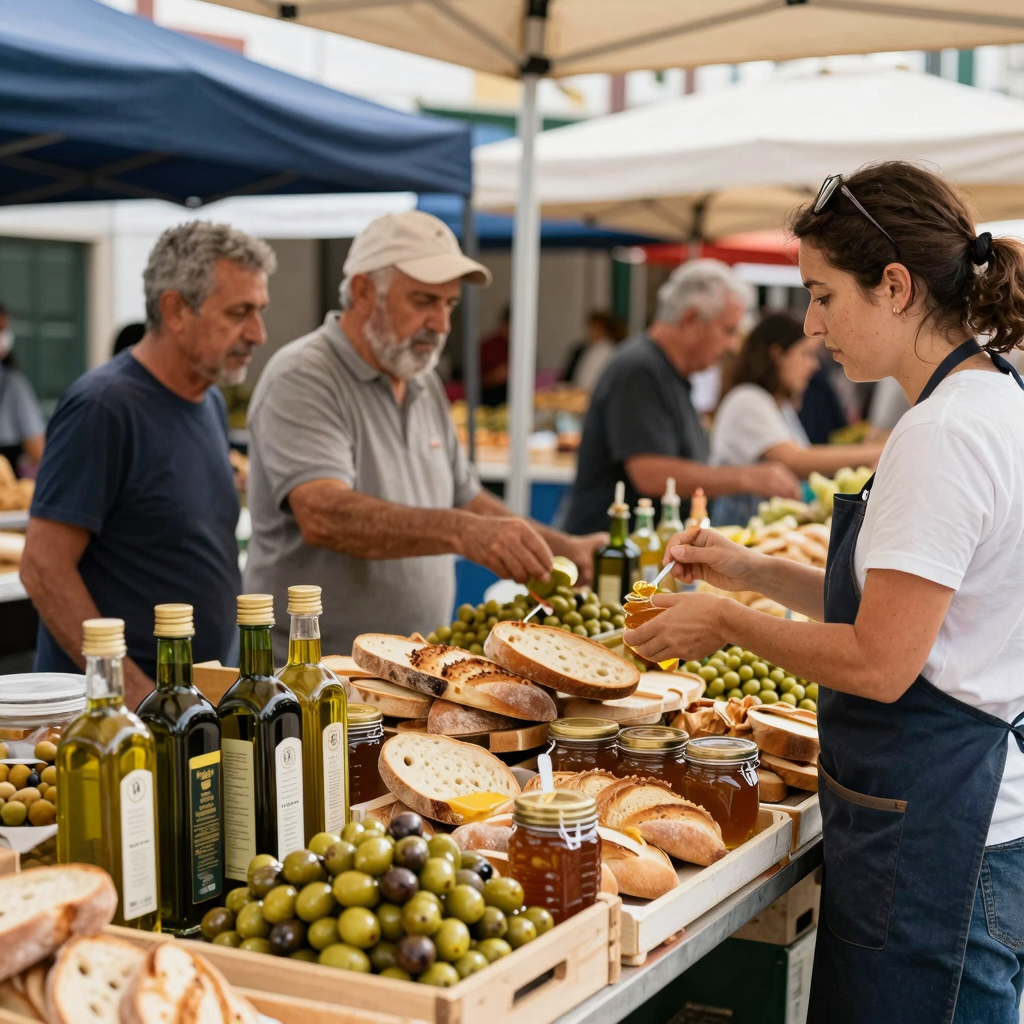
Sourcing authentic ingredients for a Portuguese breakfast is crucial for any business owner looking to recreate the rich flavors of this beloved cuisine. The essence of Portuguese breakfast lies in the quality and freshness of ingredients, emphasizing not just taste but also authenticity in cuisine. Here are some tips on how to effectively source these ingredients:
Local Suppliers
Start by identifying local suppliers who specialize in Portuguese ingredients. Consider visiting farmer’s markets and specialty food stores, as they frequently partner with local farms. This direct connection helps ensure that you are buying fresh, high-quality products. Key regions to explore in Portugal include:
- Alentejo: Known for its premium olive oil and almonds.
- Douro Valley: Renowned for producing fine wheat for bread and artisanal honey.
Building relationships with these suppliers can enhance your ingredient sourcing, not to mention support the local economy. Websites like Portugal Food Exporters Association provide resources on finding reputable suppliers across the country.
Emphasizing Quality and Freshness
When sourcing ingredients, prioritize quality over price. Ensure that the products are organic, sustainably sourced, and adhere to strict quality controls. Look for suppliers that offer:
- Seasonal availability: Ingredients like fruits and vegetables peak at certain times of the year.
- Certified producers: Partner with suppliers recognized for their commitment to quality.
Authenticity in Cuisine
An important aspect of sourcing Portuguese ingredients is ensuring their authenticity. For example, using only traditional chouriço (smoked sausage) or queso da Serra (cheese) enhances the overall dining experience. Additionally, consider joining local food groups or industry associations that can provide access to authentic resources and community knowledge. Participating in trade shows or gourmet fairs can also help you connect with potential suppliers and learn about product innovations.
Incorporating authentic ingredients not only enriches your menu but also communicates honesty and dedication to your customers. By focusing on sourcing Portuguese ingredients responsibly and authentically, you can elevate your culinary offerings and create a distinctive brand identity. For more ideas and tips, you can explore the delights at Dimaniyat Cafe and see how quality sourcing impacts customer experience.
Conclusion
When striving for authenticity in your Portuguese breakfast offerings, thoughtful sourcing is key. Foster connections with local suppliers, ensure that you prioritize quality and freshness, and always highlight the authenticity of the ingredients you serve. Not only does this practice support local economies, but it also enhances your culinary reputation in a competitive market.
Conclusion
Incorporating a traditional Portuguese breakfast into your business can significantly enhance the experience you offer your customers while providing practical benefits for owners as well. This breakfast option, characterized by fresh bread, local cheeses, and robust coffee, is not just a meal; it’s a delightful cultural experience that resonates with the values of mindfulness and community. By serving a Portuguese breakfast, you can create a welcoming atmosphere that fosters social interactions and builds stronger relationships with your clientele.
The various health benefits associated with this breakfast, such as improved focus and sustained energy, lead to increased productivity not just for employees but for patrons as well. As noted in sources like Portugal Business Review, the steady glucose levels provided by whole grains and dairy enhance cognitive function, which is essential for strategic business planning.
Moreover, embracing Portuguese culinary traditions not only stands out in a competitive market but also signals to customers that you value quality and authenticity in every aspect of your business. The simplicity and low-cost nature of Portuguese breakfast foods make them easy to integrate and promote as part of your business model. Explore the endless possibilities that come from offering this unique breakfast option, and connect with customers on a deeper level through the richness of cultural cuisine. For more ideas on enhancing your offerings, explore the delights at Dimaniyat Café.
With these factors in mind, business owners should consider how implementing a Portuguese breakfast can drive growth, foster community, and enhance the overall customer experience.
Word Count: 317