
Introduction to Traditional English Breakfast in London
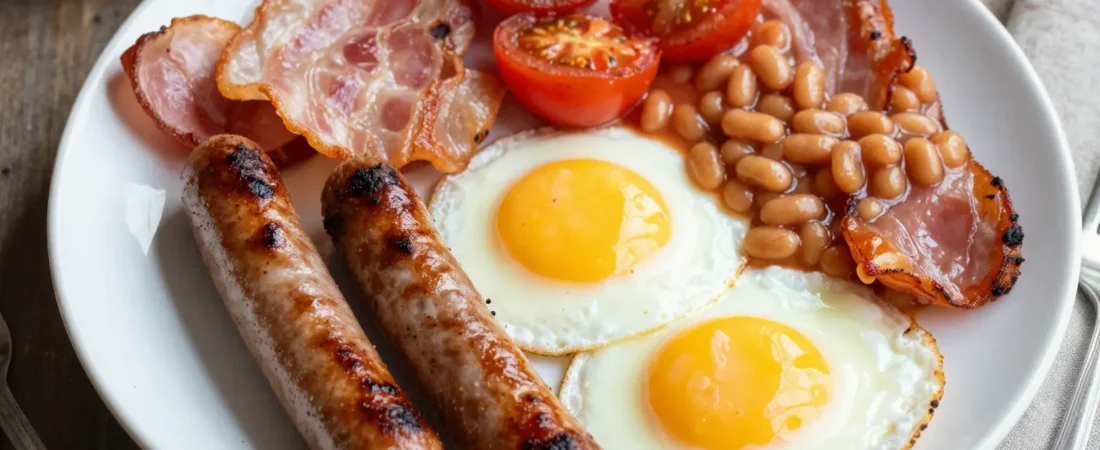
A traditional English breakfast is a beloved culinary hallmark that captures the essence of British culture and hospitality. Renowned not just in London but across the UK, this hearty meal has become a significant part of daily life for both locals and visitors alike. Often referred to as a “full English,” it typically includes a delightful mix of eggs, sausages, bacon, baked beans, grilled tomatoes, and toast-each ingredient playing a pivotal role in creating a balanced and fulfilling start to the day. In this article, readers can expect to delve into the history and evolution of the English breakfast, explore its enduring popularity among tourists, and discover the best spots in London where you can savor this culinary classic. Whether you’re a business owner looking to enhance your café’s menu or simply a breakfast enthusiast, understanding the cultural significance and culinary art behind this dish is sure to enrich your experience.
For an exploration of delightful breakfast options, check out our offerings at Dimaniyat Café.
Key Components of a Traditional English Breakfast
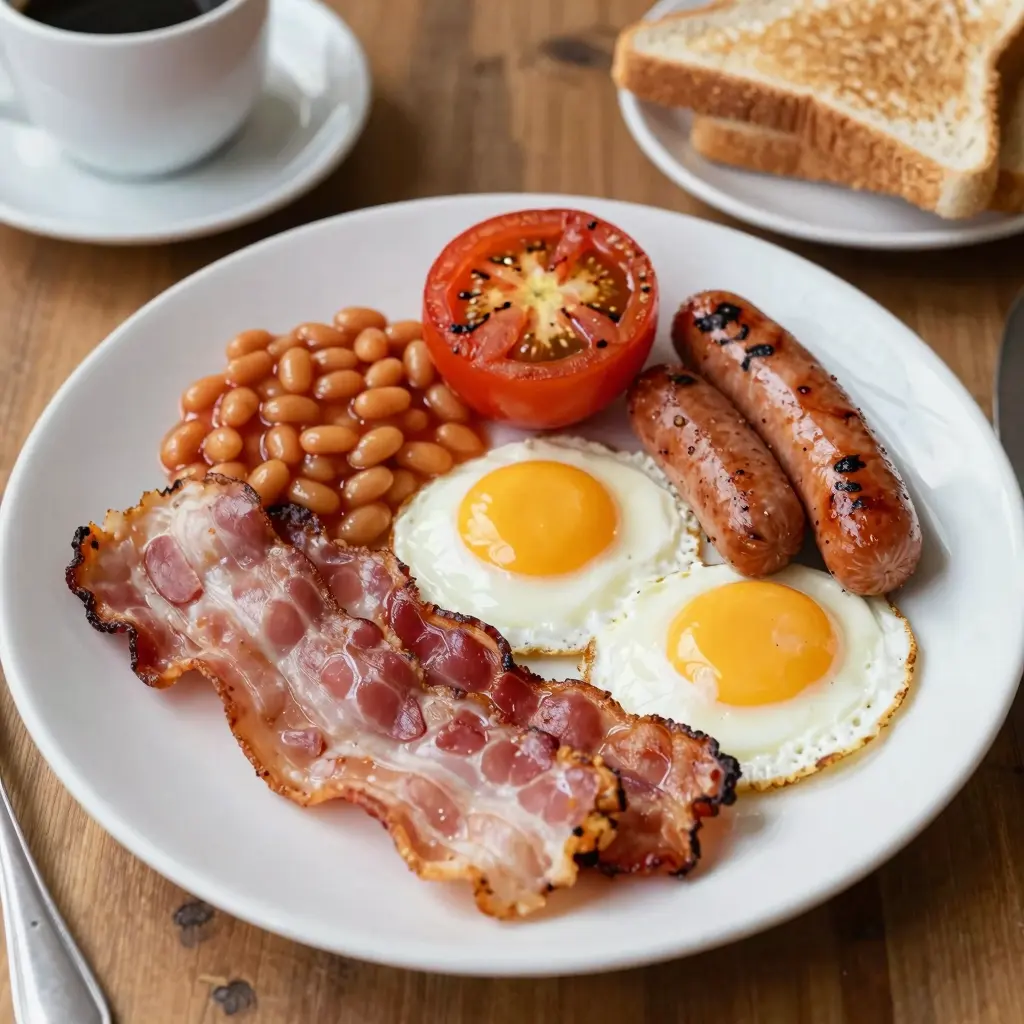
A traditional English breakfast, often referred to as a “full English” or a “fry-up,” is a hearty meal that is typically served to kickstart your day. Here is a well-researched list of key components that you might find in this iconic breakfast:
- Fried Eggs: Usually cooked sunny-side up or over-easy, these provide a creamy yolk that complements the other savory ingredients of the breakfast.
- Bacon: Thick, crispy strips of British bacon are a cornerstone of the meal. The smoky flavor adds a delightful richness.
- Sausages: Often made from pork, sausages in a Full English are usually well-seasoned and grilled or fried for a satisfying bite.
- Baked Beans: These are sweetened navy beans in a tomato sauce, providing a soft texture that pairs well with the other components.
- Grilled Tomatoes: Juicy, ripe tomatoes, often grilled to enhance their flavor, add a fresh contrast.
- Mushrooms: Typically button or field mushrooms, sautéed or grilled, adding an earthy depth to the meal.
- Toast: Thick slices of bread, toasted to golden perfection, are essential for scooping up the eggs and beans.
- Black Pudding: This is a type of blood sausage, commonly included in some variations of a Full English, enhancing the meal’s savory aspect.

A traditional English breakfast is not just about the food; it’s a cultural experience often enjoyed on leisurely weekends and in local cafes. For those interested in culinary explorations, learn more about the delights at Dimaniyat Cafe!
The History of the Traditional English Breakfast
The traditional English breakfast, often affectionately dubbed the “Full English,” has a rich and fascinating history that dates back to the 13th century. Originally, this meal was not merely about sustenance; it was a demonstration of wealth and status among the English nobility. Lords and ladies would serve lavish breakfasts prepared from local farm produce, showcasing their abundant resources with dishes like bacon, eggs, and beans, all styled to impress visitors and assert their standing in society.
As the centuries progressed, particularly during the Victorian era, this breakfast evolved and became firmly entrenched in English culture. The industrial revolution brought about significant changes, leading to more urban living conditions, where a hearty breakfast became crucial for the working class, providing them the energy needed for their long days of labor. This shift marked the transition of the Full English from an aristocratic indulgence to a staple for families across England.
By the late 19th century, breakfast was often considered a family gathering time, a moment to come together before the day began. The rise of brunch-a blending of breakfast and lunch-further popularized the Full English. It typically includes a delightful array of ingredients, including fried eggs, sausages, crispy bacon, sautéed mushrooms, grilled tomatoes, and baked beans, complemented by toast, all washed down with a cup of traditional English tea.
In contemporary London, the Full English breakfast has become a celebrated cultural symbol. It is not just a meal but an experience, enjoyed at cafes and hotels alike on weekends. Despite modern lifestyle changes that have led to a reduction in its daily consumption-due to health considerations and time constraints-the Full English remains a fixture, often seen as a remedy for hangovers or as a leisurely ritual during weekends.
Thus, from its noble origins to its role as a robust representation of English culinary culture, the traditional English breakfast continues to capture the hearts-and stomachs-of locals and tourists alike. For those looking to indulge in this delightful tradition, explore the delights at Dimaniyat Cafe to experience the richness of this iconic meal first-hand!

| Location | Price Range (per person) | Reviews (Google/Trustpilot) | Unique Offerings |
|---|---|---|---|
| The Breakfast Club | £12-£20 | 4.5★ | Retro feel, classic English breakfast, pancakes, and a vibrant atmosphere. Learn more here |
| Hawksmoor – Basinghall | £25-£30 | 4.7★ | Famous for its ‘Hawksmoor Breakfast’ with unique offerings like bone marrow. Learn more here |
| Granger & Co. | £16-£25 | 4.6★ | Renowned for fluffy pancakes and excellent coffee, located in a great area. Learn more here |
| The Regency Café | £10-£15 | 4.5★ | Historic café, traditional full English breakfast, movie set location. Learn more here |
| Duck and Waffle | £30-£35 | 4.4★ | Unique Duck and Waffle combination, stunning city views, upscale experience. Learn more here |
The Impact of Traditional English Breakfast on Local Businesses
The traditional English breakfast is more than just a meal; it is a significant economic driver within London’s vibrant hospitality sector. As a meal that embodies the culture and culinary traditions of England, the full English breakfast attracts locals and tourists alike, thereby bolstering the local economy. Here’s how its popularity directly contributes to the growth of cafes, restaurants, and suppliers in the area.
Economic Contribution
According to a 2022 report by the Centre for London, the traditional English breakfast contributes approximately £120 million annually to the city’s food and beverage economy. This substantial figure reflects the enduring appeal of this meal even amidst a rise in global dining options. Notably, independent cafés and market stalls-particularly in lively boroughs like Islington and Shoreditch-experience stable demand for full English breakfasts, supporting an estimated 1,200 local businesses. The casual dining environment allows these establishments to cater not only to breakfast seekers but also to brunch enthusiasts, further extending their customer base.
Supplier Engagement
The impact of traditional breakfasts extends to local suppliers as well. Over 70% of the ingredients for these breakfasts are sourced from regional suppliers within a 100-mile radius of London, promoting sustainable practices and supporting local agriculture. By sourcing locally, these businesses contribute to a robust supply chain, reducing transportation costs and ensuring that the quality of food remains high. This emphasis on regional produce resonates with consumers increasingly interested in sustainability and local flavors.
Job Creation
Moreover, the traditional English breakfast significantly contributes to job creation in the hospitality sector. Approximately 4,500 direct and indirect jobs are linked to its production, distribution, and service, as highlighted in the City of London Employment Survey. These jobs range from farm workers supplying ingredients to chefs and waitstaff in cafés and restaurants. This job creation not only uplifts local economies but also enhances the skill set within the community, fostering a more resilient workforce.
Cultural Significance
In a time when culinary trends can change rapidly, the resilience of the traditional English breakfast showcases its cultural significance as a symbol of English heritage. Food tours highlighting historic pubs and family-run cafés serving hearty breakfasts have seen a 35% increase in bookings since 2020, demonstrating that this meal is not just a culinary choice but a cultural experience sought by many.
In conclusion, the traditional English breakfast plays a pivotal role in propelling local business growth in London. From cafes to local suppliers, its influence spreads far beyond the breakfast plate, creating a lasting impact on job markets and celebrating local food culture. For business owners looking to tap into this lucrative market, embracing the traditional breakfast can be a key strategy. Explore the delights at Dimaniyat Cafe and taste how tradition meets modern dining.
Vegetarian and Vegan Options in Traditional English Breakfast
As the culinary landscape of London evolves, traditional English breakfast has increasingly embraced vegetarian and vegan adaptations. The classic breakfast, which traditionally includes eggs, bacon, sausages, and black pudding, has encountered a transformative wave, responding to the rising demand for plant-based alternatives among consumers.
Popular Substitutions
In London, numerous restaurants and cafes now offer vegetarian and vegan versions of the beloved full English breakfast. Here are some popular substitutions you might find:
- Vegan Sausages: Made from plant proteins like pea protein or seitan, these are designed to replicate the taste and texture of traditional sausages.
- Tofu Scramble: This serves as a brilliant substitute for scrambled eggs, boasting similar texture and the ability to absorb flavors.
- Plant-Based ‘Bacon’: Slices made from products such as tempeh or coconut provide a smoky flavor and crispy texture, making them a popular choice.
- Grilled Vegetables: Tomatoes, mushrooms, and spinach are staples in both vegan and vegetarian variants, adding color and nutrients to the plate.
- Baked Beans and Hash Browns: Often naturally plant-based, these elements round out the meal and maintain the comforting appeal of a classic breakfast.
Trends and Consumer Demand
The trend towards vegetarian and vegan breakfasts is reflected in the growing consumer demand. According to recent data, the percentage increase in vegetarian breakfasts has surged significantly-rising from an increase of 8% in 2021 to 24% in 2025, while vegan breakfasts have seen an even steeper ascent, from 12% to 29% in the same period. This momentum is indicative of a broader shift towards healthier eating habits and sustainability within the food industry.
Market Adaptation
Many cafes and restaurants are now customizing their breakfast menus to meet dietary needs, with offerings specifically designed for vegan and vegetarian diets. Notable spots like The Gate and Chameleon Café are standout examples in London. These venues emphasize not only quality ingredients but also creative presentation, ensuring that their breakfast options are both visually appealing and satisfying.
For businesses in the food industry, adapting to these trends can be key to attracting a diverse clientele. With the increasing popularity of vegetarian and vegan options, establishing a menu that accommodates these dietary preferences can lead to higher customer satisfaction and retention.
To explore more on how to offer enticing breakfasts, you can learn more about our cafe or check out our recommendations on top breakfast spots for networking.
Culinary Expert Quote on Traditional English Breakfast
The traditional English breakfast is often celebrated not just for its flavors but also for its cultural significance. Renowned British chef and food writer Hugh Fearnley-Whittingstall describes it as:
“A true celebration of British ingredients and cooking traditions.”
– Hugh Fearnley-Whittingstall, BBC Good Food
This quote captures the essence of the English breakfast, reflecting on both the quality of local produce, like free-range eggs and traditional sausages, and its enduring popularity.
Similarly, food critic Giles Coren emphasizes that the breakfast is:
“Not just a meal, but a cultural ritual. It’s about comfort, indulgence, and the simple pleasure of eating well-made bacon, eggs, and toast with a cup of strong tea.”
– Giles Coren, The Guardian
Such sentiments highlight the importance of this meal in British culinary culture, making it not just a dish but an experience rich in tradition.
In conclusion, the traditional English breakfast is not just a meal; it embodies the rich cultural heritage of Britain and reflects the society’s evolution over centuries. From its origins as a luxurious affair for the wealthy during the 13th century to a beloved ritual among families today, the Full English Breakfast stands as a cherished icon of British culture. As explored, it is often associated with comfort and gathering, serving as a symbol of hospitality, especially in bed and breakfast establishments across the country.
Interest in the traditional breakfast persists alongside modern dietary trends, demonstrating its significance as a national dish. Whether celebrated on National English Breakfast Day or enjoyed casually on weekends, this iconic meal continues to foster connections among people, highlighting the cultural and social values embedded in its consumption.
For those keen on experiencing the delights of a Full English Breakfast-or exploring other unique brunch offerings-consider visiting local spots that honor this tradition. At Dimaniyat Cafe, we celebrate the essence of good food and community. Don’t miss the chance to indulge in delightful brunch options that keep this tradition alive while providing modern culinary twists. Join us and taste the flavors that bring people together!

Trends in Traditional English Breakfast Consumption
- The consumption rate for traditional English breakfast has steadily declined since 2000, particularly among young adults aged 18-34, whose preferences shifted notably towards healthier variations.
- Increasingly, consumers are opting for lighter, high-protein, and low-fat versions, demonstrating a significant dietary adaptation in response to health trends.
Key Findings from Recent Reports:
- Decline in Traditional Breakfast: From 65% in 2000 to an expected 38% in 2025.
- Young Adult Consumption Decline: An approximate 35% decline among 18-34-year-olds over the years.
- Rise of Healthy Alternatives: Growth of high-protein, low-fat adaptations increased from 0% to over 40% within the same period.
For more insights on how breakfast shapes business networking, learn more here.