

The Cultural Mosaic of Breakfast Around the World
Breakfast serves as much more than just a meal; it’s a reflection of cultural identities and culinary traditions that vary beautifully across the globe. From the hearty full English breakfasts laden with sausages and baked beans to the delicate Japanese rice balls and a vibrant spread of fresh fruits in the tropics, breakfast foods encapsulate the essence of local heritage and flavors. In many cultures, breakfast is seen as a crucial ritual that brings families together, while in others, it fuels the bustling start of a productive day. Understanding the diversity of breakfast not only enriches our gastronomic experiences but also offers invaluable insights for business owners in the food industry, particularly in creating offerings that resonate with diverse clientele.
As global travel and cultural exchanges continue to widen, the demand for authentic breakfast experiences has surged. Therein lies a promising opportunity for restaurant owners: tapping into the unique breakfast traditions from around the world can differentiate their establishments and entice customers seeking novelty and connection to cultural roots. Additionally, research highlights that businesses that cater to local breakfast traditions may enjoy enhanced customer loyalty and a competitive edge by fostering a deeper emotional connection with their patrons.
To explore further, discover how specific cultural breakfasts can transform your menu and discuss ways to creatively incorporate these diverse culinary delights into your offerings. Learn more about breakfast options. Don’t miss out on the chance to innovate and inspire through breakfast!
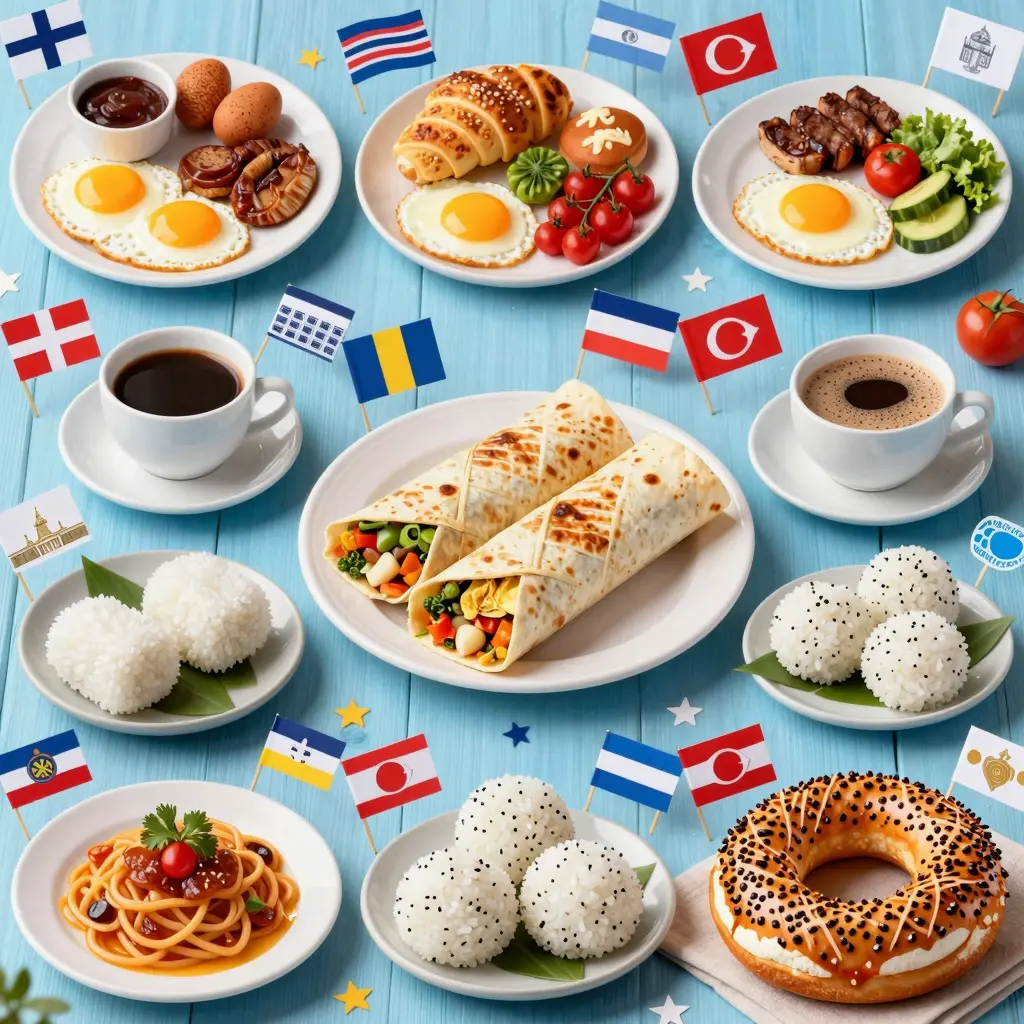
Understanding Continental Breakfast
A Continental breakfast is a light meal typically offered in hotels and cafés, characterized by its simplicity and variety of offerings. This breakfast style generally includes:
- Pastries: Croissants, muffins, Danish pastries
- Breads: Various types of bread, often accompanied by butter and jams
- Fruits: Fresh seasonal fruits, often served whole or as a fruit salad
- Beverages: Coffee, tea, and juices
Origins and Variations
The term “continental breakfast” was coined in the 19th century to differentiate lighter European breakfasts from the heartier English breakfast which includes heavier items like sausages and eggs. The continental breakfast became popular as it caters to the needs of travelers who prefer a quick and refreshing start to their day without the luxury of a full meal.
This style of breakfast varies by country:
- In France, it features fresh baguettes, croissants, and coffee.
- In Italy, you might find pastries alongside cappuccino.
- In Germany, rye breads and cheeses are more commonplace.
Popularity Among Hotels and Cafés
The appeal of the continental breakfast in the hotel and café sector lies in its simplicity and cost-effectiveness. Hotels often provide this meal as part of the room rate, enhancing guest satisfaction with minimal effort on the part of the staff. It has become a standard offering, allowing guests to enjoy a meal at their leisure with various options to cater to diverse tastes.
Leveraging Continental Breakfast
For business owners, offering a continental breakfast can significantly enhance customer satisfaction and loyalty. Here are a few strategies:
- Variety: Ensure a selection that caters to different dietary preferences, including gluten-free and vegetarian options.
- Presentation: Create an appealing setup that invites guests to return, using attractive displays and thoughtful arrangements.
- Promotions: Market the breakfast as part of an experience or a package deal for stays. This can increase overall bookings and positive reviews.
By offering a continental breakfast, your establishment can not only enhance its reputation but also differentiate itself in a competitive market. Learn more about breakfast strategies for business owners and the importance of a nutritious breakfast in boosting business performance. Additionally, explore more on creating appealing breakfast experiences.
With these insights, leveraging the continental breakfast can create memorable guest experiences and encourage repeat visits!
| Country | Breakfast Item | Main Ingredients | Description |
|---|---|---|---|
| Japan | Traditional Japanese Breakfast | Rice, miso soup, grilled fish, pickles, nori | A well-balanced meal typically consisting of steamed rice, miso soup, grilled fish, and various side dishes. |
| Mexico | Chilaquiles | Tortilla chips, salsa, eggs, cheese | Fried tortilla chips topped with salsa and often served with eggs and cheese on the side. |
| France | Croissant | Flour, butter, yeast | A flaky, buttery pastry famous for its crescent shape, often enjoyed with coffee. |
| India | Aloo Paratha | Whole wheat flour, potatoes, spices | A popular flatbread stuffed with spiced potatoes, served with yogurt or pickle. |
| Brazil | Pão de Queijo | Tapioca flour, cheese, eggs | Chewy cheese bread balls that are gluten-free, typically enjoyed for breakfast along with coffee. |
More about Breakfast Cultures
Breakfast styles can vary widely across different cultures, showcasing their unique culinary traditions. For example, in Japan, the breakfast is often light and focused on rice and fish, while in Mexico, chilaquiles provide a hearty start to the day. These variations reflect the tastes, ingredients, and cooking styles native to each country.
For a deeper dive into breakfast traditions around the globe, you can explore the delights at Dimaniyat Café or learn about breakfast strategies from successful CEOs.
This table not only celebrates the diversity in breakfast options but also provides insights into how these meals can influence and express cultural identities around the world. Enjoy your culinary journey through these delightful dishes!
The Full English Breakfast: A Culinary Tradition
Components of a Full English Breakfast
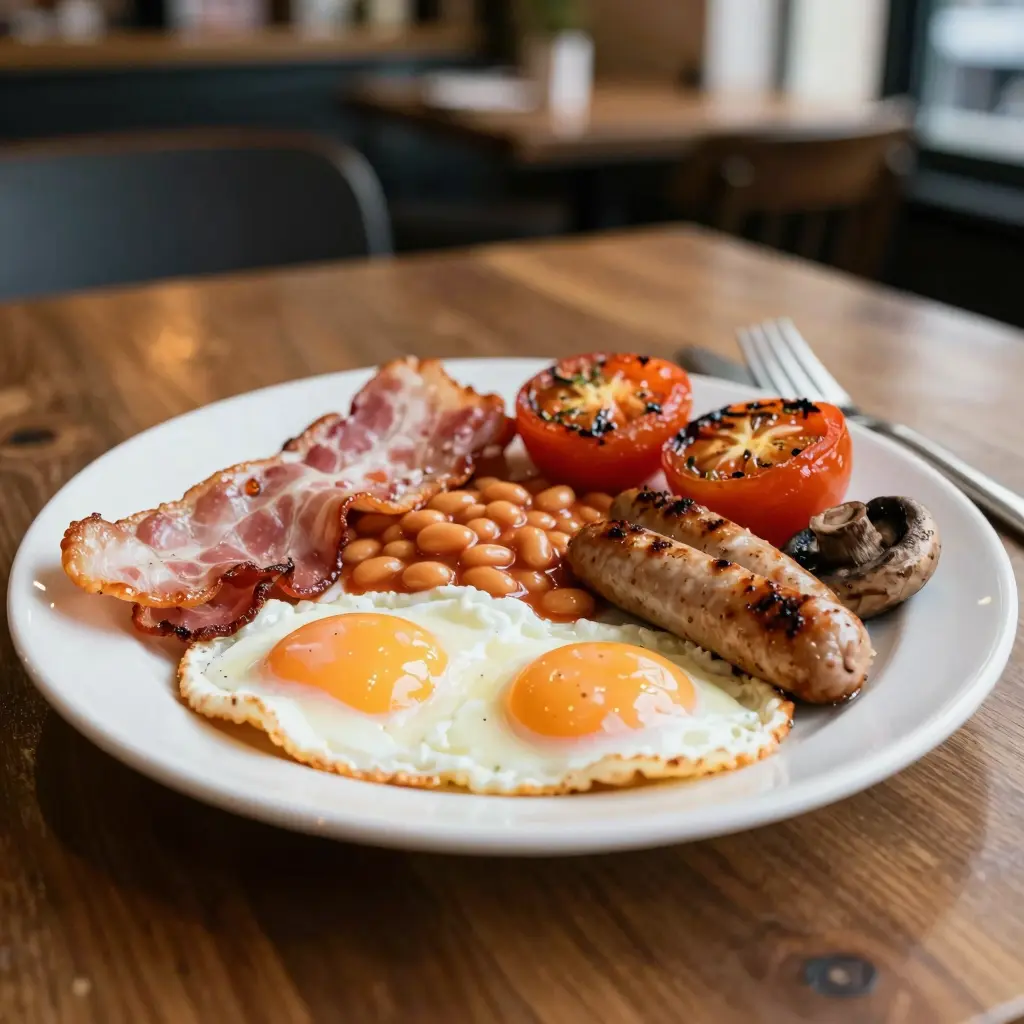
The full English breakfast is an iconic dish that reflects British culinary tradition and is composed of various hearty foods that provide a filling start to the day. Typical components include:
- Bacon: Crispy rashers, often back bacon, are a staple.
- Sausages: Usually pork sausages, sometimes known as bangers.
- Eggs: Typically fried, but variations may include poached or scrambled eggs.
- Baked Beans: Usually in tomato sauce, adding sweetness and moisture.
- Grilled Tomatoes: Halved tomatoes that are grilled or roasted.
- Mushrooms: Usually button or field mushrooms, sautéed until tender.
- Toast: Often served with butter; sometimes fried bread is also included.
Historical Significance
The roots of the English breakfast can be traced back to the early 19th century, gaining popularity during the Victorian era when it became a symbol of affluence. Before this time, breakfast was typically light, with the larger meals reserved for later in the day. As brunch culture developed alongside the working class, the hearty English breakfast became a popular choice in both homes and eateries, representing comfort and abundance.
Cultural Importance
In British culture, the full English breakfast is not just a meal; it’s a ritual that encapsulates social interactions, often enjoyed in cafes and hotels across the UK. It serves as a comfort food, bridging generations and bringing people together at the start of their day. Many travelers seek out this social experience when visiting England, making it a highlight of their stay. You can explore more about such delights at Dimaniyat Café.
Menu Incorporation for Business Owners
For business owners considering incorporating an English breakfast theme into their menus, here are some insightful tips:
- Authenticity: Focus on authentic ingredients to create a truly traditional English breakfast that customers will love. Sourcing local British products can enhance the appeal.
- Variations: Offer variations tailored to local tastes, such as vegetarian or vegan options. Consider including unique sides like bubble and squeak or a full Irish breakfast for regional flavor diversity.
- Presentation: Serve the breakfast with a modern twist by emphasizing aesthetics. Unique plating can attract customers looking for Instagram-worthy meals.
- Bundled Specials: Create breakfast bundles that pair the full English with beverages like tea or coffee, optimizing sales and customer satisfaction.
- Promotions: Highlight your full English breakfast in promotions or as a specialty item on weekends when people are more likely to dine out or spend leisurely mornings at cafes.
By creatively presenting this British classic, business owners can attract more customers and elevate their brand’s breakfast offerings in a competitive market. For further insights on business strategies using gourmet breakfast options, visit Morning Edge: Why Top CEOs Start with Gourmet Breakfast.

Popular Breakfast Options in Asian Countries
Breakfast in Asia is as diverse as its culture and culinary traditions, offering a tantalizing array of dishes that reflect regional flavors and ingredients. Here’s a closer look at some beloved breakfast options across various Asian countries and how they can inspire new menu items for cafes and restaurants.
Congee (China)
Congee, a type of rice porridge, is a staple in Chinese breakfasts. It can be served plain or topped with various ingredients such as pickled vegetables, meats, and century eggs. Its versatility allows for immense creativity in menu offerings.
Menu Ideas:
- Gourmet Congee Bowls: Experiment with different toppings – from grilled shrimp and scallions to spicy chili oil and pickled radish.
- Congee Breakfast Burritos: Wrap congee in a tortilla with fresh veggies and protein.
Dosa (India)
Originating from South India, dosa is a fermented crepe made from rice batter, often served with sambar (a spicy lentil soup) and coconut chutney. Its popularity has spread worldwide, making it an excellent breakfast choice.
Menu Ideas:
- Dosa Sandwiches: Switch up the traditional format by using dosas as sandwich wraps filled with vegetables and cheese.
- Mini Dosa Appetizers: Serve bite-sized dosas topped with various fillings for a creative twist.
Nasi Lemak (Malaysia)
Considered the national dish of Malaysia, nasi lemak is coconut milk-infused rice served with sambal, fried crispy anchovies, peanuts, and boiled egg. This dish brings out a harmonious blend of flavors.
Menu Ideas:
- Nasi Lemak Bowl: Present it as a bowl, capturing all the components but with a modern presentation.
- Nasi Lemak-Inspired Toast: Use toast with sambal and all the toppings as a funky breakfast item.
Japanese Breakfast (Japan)
Traditional Japanese breakfast often includes grilled fish, rice, miso soup, and pickles. This well-balanced meal is increasingly being adopted abroad.
Menu Ideas:
- Japanese Breakfast Bento: Create a bento box featuring a mix of items like rice, fish, and vegetables.
- Savory Japanese Pancakes: Incorporate the flavors into pancakes, served with seafood and miso drizzle.
Influence on Menu Development
Integrating these Asian breakfast dishes into your cafe or restaurant can elevate your morning menu and attract a diverse clientele. For businesses eager to do so, sources like Can Food Go Bad provide healthy and authentic Asian breakfast recipes that inspire creativity and cater to health-conscious customers.
Additionally, resources highlighting the popularity of various Asian breakfast dishes, such as Hush Hush Asia and Beyond Kimchee, showcase the dynamic and diverse nature of these dishes, presenting ample opportunities to blend traditional concepts with contemporary dining trends.
Incorporating these vibrant Asian breakfast options not only enhances culinary offerings but also provides your establishment with a unique selling point, drawing in customers looking for authentic flavors and experiential dining.
The Importance of Breakfast Across Cultures
Breakfast is more than just the first meal of the day; it plays a vital role in various cultures worldwide, each interpreting its significance in unique ways. Chef James Beard, a culinary icon, once said:
“Breakfast is a time to reflect, to gather with family and friends, and to start the day with intention. It’s the first meal that fuels your day-a universal ritual across all cultures.”
Cultural Significance
- Japanese Breakfast: Typically includes rice, fish, and miso soup, offering a balanced start to the day.
- American Breakfast: Often features pancakes, eggs, and bacon, emphasizing convenience and quick preparation.
- Mexican Breakfast: Dishes like huevos rancheros or chilaquiles not only nourish but also foster communal bonds.
Nutritional Value
Research highlights that breakfast contributes positively to daily nutrient intake. Consuming a balanced breakfast can enhance cognitive function and concentration, crucial for business success.
Social Aspects
Breakfast often serves as a communal meal. In many cultures, sharing breakfast fosters social interactions and community bonding.
To learn more about breakfast traditions or discover delightful breakfast options at Dimaniyat Cafe, check out our explore the delights at Dimaniyat Cafe and see our top 10 breakfast spots for business networking!

Conclusion
Breakfast embodies cultural diversity and nutritional importance. It is not only essential for individual well-being but also for the harmonious interaction within communities. As you plan your next breakfast meeting or family gathering, remember the incredible variety and significance that breakfast holds among cultures around the globe.
Traditional Middle Eastern Breakfasts
Breakfast in the Middle East is a vibrant affair, presenting an array of flavors, textures, and colors that excite the palate. Traditional dishes such as shakshuka and labneh highlight the region’s culinary richness, offering enticing options for customers looking for something unique in the mornings.
Shakshuka
Shakshuka is a savory dish of poached eggs nestled in a sauce of tomatoes, chili peppers, and onions, seasoned with cumin and other spices. This hearty meal is not only filling but also packed with flavors, making it a popular choice for breakfast. Additionally, shakshuka’s versatility allows for a range of variations, incorporating ingredients like feta cheese or spinach, appealing to health-conscious diners. A well-prepared shakshuka can serve as an inviting centerpiece on a breakfast menu, attracting guests seeking a hearty start to their day.
Labneh
On the other hand, labneh is a creamy, strained yogurt spread that serves as a fantastic vehicle for enjoying local herbs, spices, and olive oil. It can be served with fresh vegetables, olives, and warm pita, making it a healthy and light choice, perfect for those looking to indulge without feeling weighed down. Labneh’s tangy taste pairs beautifully with a variety of toppings, creating customizable options that can cater to diverse customer preferences.
Appeal to Business Owners
As business owners consider diversifying their menus, incorporating traditional Middle Eastern breakfasts presents a great opportunity to stand out. Here’s how:
- Diverse Culinary Options: Offering dishes like shakshuka and labneh expands the variety available to customers, tapping into the increasing popularity of Middle Eastern cuisine in the dining scene. According to recent insights, these dishes are gaining traction for their robust flavors and health benefits.
- Catering to Dietary Preferences: Many Middle Eastern breakfast options are naturally vegetarian or vegan, appealing to a broader audience and those with dietary restrictions. This aligns well with current trends where plant-based meals are increasingly sought after.
- Cultural Experience: By featuring these dishes, restaurants can create an immersive culinary experience that engages customers beyond just the food. Highlighting the cultural significance of each dish can enhance the dining experience and encourage customers to explore this unique breakfast category.
In conclusion, integrating traditional Middle Eastern breakfasts like shakshuka and labneh into a menu can attract a diverse range of customers looking for exciting and flavorful morning options. By embracing this culinary trend, business owners not only diversify their offerings but also enrich their customers’ dining experiences.
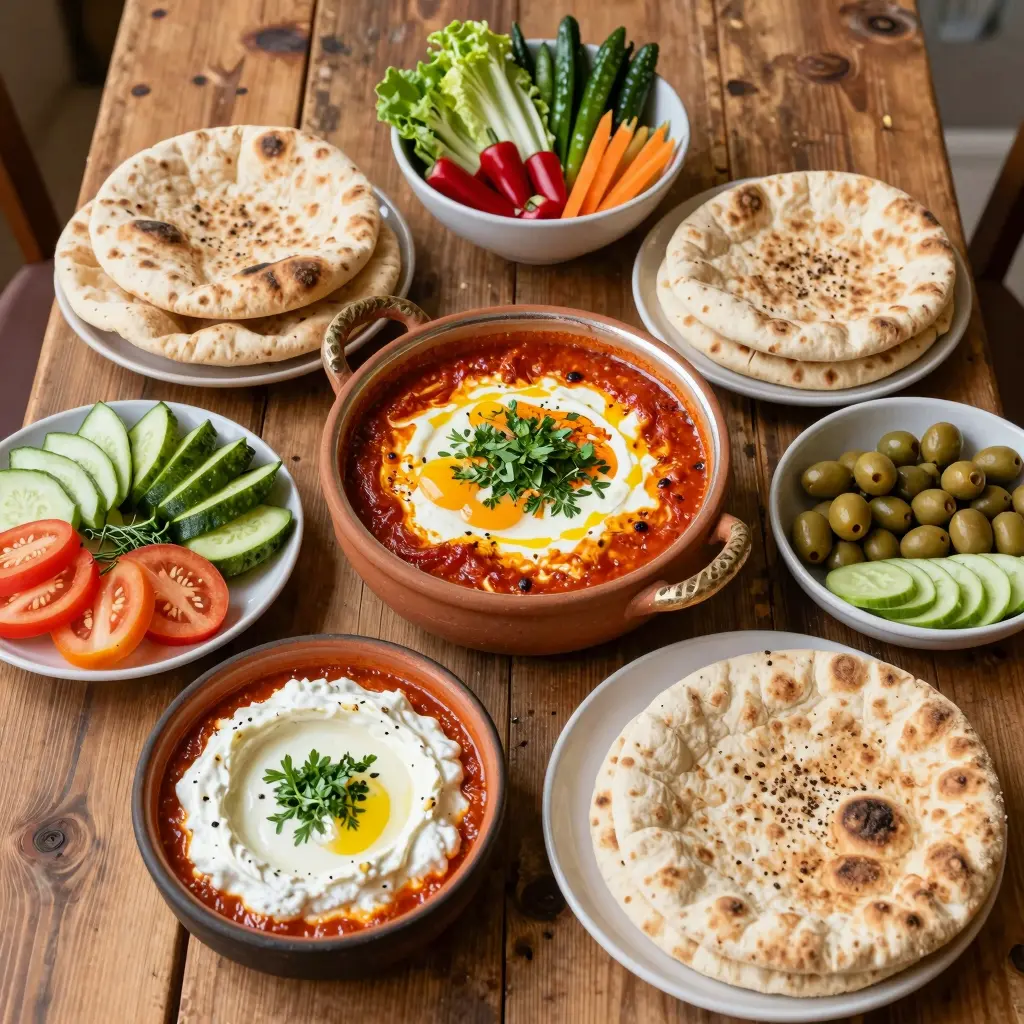
Colorful display of traditional Middle Eastern breakfast dishes including shakshuka and labneh.
For more ideas on innovative breakfast offerings, explore the delights at Dimaniyat Cafe and discover how to cater to your clientele’s tastes while focusing on health and flavor.
Breakfast Food Trends Over the Last Decade
Understanding breakfast food trends is crucial for business owners in the food industry. Over the last decade, certain foods have gained significant popularity among consumers, reflecting a shift towards healthier and more diverse breakfast options. Specifically, the rise in demand for overnight oats, smoothies, avocados, and plant-based proteins has redefined breakfast menus.
Here is a chart illustrating the rise in popularity of these breakfast foods over the past ten years:

| Year | Overnight Oats | Smoothies | Avocados | Plant-Based Proteins |
|---|---|---|---|---|
| 2013 | 10% | 15% | 5% | 8% |
| 2014 | 12% | 16% | 7% | 10% |
| 2015 | 15% | 18% | 8% | 12% |
| 2016 | 18% | 20% | 10% | 15% |
| 2017 | 20% | 22% | 12% | 18% |
| 2018 | 25% | 25% | 15% | 20% |
| 2019 | 30% | 28% | 18% | 22% |
| 2020 | 35% | 30% | 20% | 25% |
| 2021 | 40% | 35% | 25% | 30% |
| 2022 | 45% | 40% | 30% | 35% |
| 2023 | 50% | 45% | 35% | 40% |
As noted, the popularity of overnight oats has surged from just 10% in 2013 to an impressive 50% in 2023, while smoothies have grown from 15% to 45%. Avocados and plant-based proteins have also seen considerable increases, indicating a consumer trend towards healthier breakfast choices.
For more insights into breakfast culture and dining options, feel free to explore the delights at Dimaniyat Cafe and discover top breakfast spots for business networking.
This data can help food business owners tailor their menus according to consumer interests, ensuring they remain competitive in a rapidly evolving market.
Conclusion
Breakfast is not merely a meal; it’s a cultural tapestry that varies widely from one country to another. Through our exploration of global breakfast traditions, we see that breakfast represents various cultural, social, and familial rituals, often serving as the first and sometimes the most significant meal of the day. In cultures around the world, breakfast is celebrated not just for nutritional reasons but also as a time to connect with family and friends, exemplifying the importance of social bonds. For instance, many societies view breakfast as a communal time for families to gather, reflecting shared values and traditions (learn more about breakfast traditions).
As business owners, understanding these global breakfast trends can be immensely beneficial. Adopting creative elements from these international practices can make a business stand out in a competitive market. For example:
- Global Tasting Menus: Integrate various global breakfast items, such as French croissants, Japanese tamagoyaki, or Mexican chilaquiles, into your menu.
- Cultural Events: Host themed breakfast days celebrating different countries, encouraging community participation and drawing in diverse customer bases.
- Local Sourcing: Incorporate local ingredients to create global dishes, ensuring freshness while providing an authentic experience.
Staying grounded in cultural significance while embracing global trends will not only enhance the dining experience but also position your establishment as a modern culinary destination. For further insights, explore how to creatively implement global breakfast ideas. By harmonizing traditional practices with contemporary ideas, you can cultivate a breakfast menu that resonates emotionally with customers, fostering brand loyalty and encouraging repeat visits.
In conclusion, as we embrace the diverse breakfasts of the world, we discover an opportunity to enrich our menus and enhance our customers’ dining experiences, aligning with cultural narratives and current trends.