

The Rise of Bistrology in Breakfast and Brunch Culture
In recent years, the concept of “bistrology” has been gaining traction in the breakfast and brunch scene, creating a delightful fusion of gastronomy and astrology. As food entrepreneurs strive to capture the hearts and minds of consumers, integrating elements of personalization-such as astrological themes-into breakfast menus has proven to be an innovative strategy. With a focus on aligning culinary creations with the astrological signs or elements, diners are not only drawn in by the unique experience but also by the intrigue of how their meals might reflect their personalities or destinies. This trend capitalizes on the increasing consumer interest in wellness and spirituality, making it a prime opportunity for business owners in the food industry to differentiate their offerings.
By embracing bistrology, a cafe can create tailored menus that resonate with customers on a personal level, enhancing overall dining experiences. This personalization often leads to increased customer loyalty and repeat business as patrons find joy in meals that specifically align with their astrological preferences. In addition, promoting such a unique concept can significantly enhance social media presence and engagement, as patrons share their experiences online.
For those interested in learning how to capitalize on emerging trends in the food industry, explore the delicious offerings at Dimaniyat Cafe and discover how incorporating unique themes into your breakfast or brunch menu can transform the dining experience and boost your bottom line.
Popular Bistrology Elements for Breakfast and Brunch
Incorporating bistrology into breakfast and brunch menus can create a unique and engaging dining experience. Here are some popular themes and ideas that can be included:
-
Zodiac-Themed Dishes: Each astrological sign can inspire a dish. For instance:
-
Aries (March 21 – April 19): Spicy sausage and jalapeño poppers.
-
Taurus (April 20 – May 20): Avocado toast topped with poached eggs and microgreens.
-
Leo (July 23 – August 22): Golden pancakes with edible gold leaf, symbolizing luxury.
-
Pisces (February 19 – March 20): Dreamy blueberry-lavender mousse served in seashell bowls.
-
Astrological Drinks: Create themed beverages that match the personality traits of each sign. A standout example is the pistachio-flavored coffee, popular among devotees of bistrology.
-
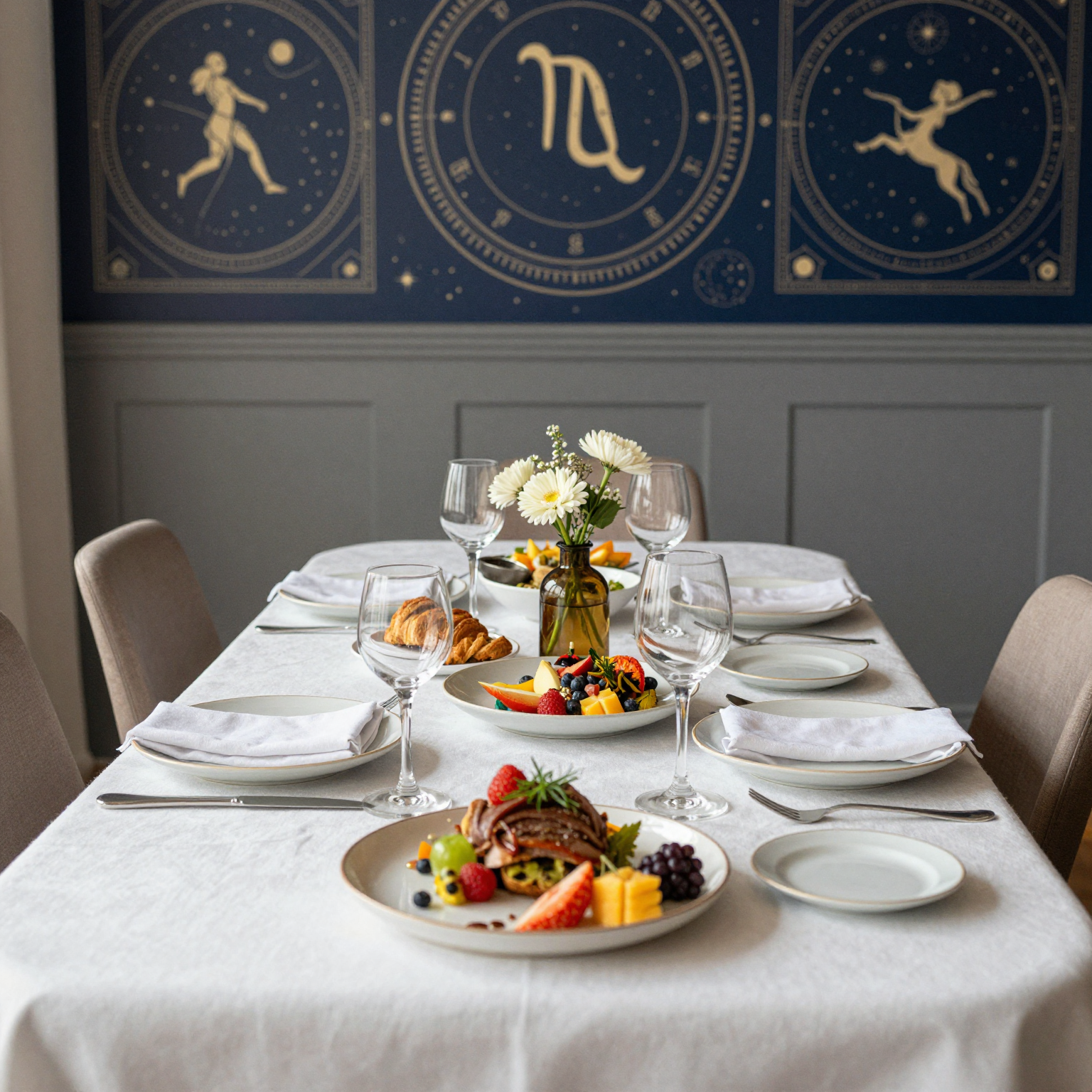
Theme Decorations: Design your brunch space with astrological motifs-stars, planets, and zodiac signs-to enhance the dining experience.
-
Personalized Menus: Offer a menu where each guest can select dishes based on their zodiac sign, providing a personalized dining experience.
These elements can make your café not only a dining establishment but a destination for those who appreciate the charm of astrology. For more ideas on enchanting dining experiences, explore the delights at Dimaniyat Café.

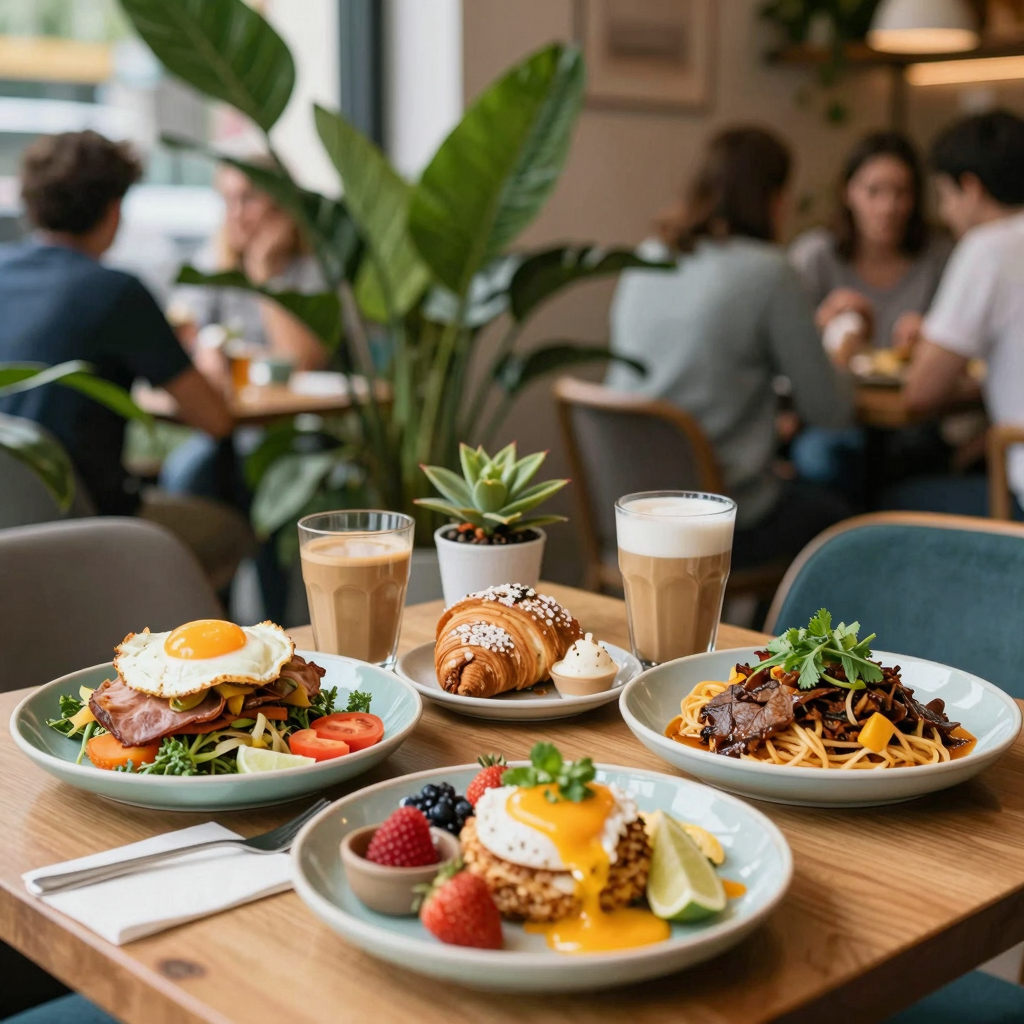
Zodiac-themed dishes elegantly arranged for an inviting brunch atmosphere.
The History of Bistrology: An Evolution in Dining Experience
Bistrology, a concept that blends the casual charm of bistros with an innovative approach to culinary arts, has evolved significantly since its inception. Originating in the bustling streets of Paris in the 19th century, bistro culture began as a way to provide ordinary citizens with hearty, affordable meals in a welcoming atmosphere. This foundation laid the groundwork for what would eventually develop into the diverse realm of bistrology, an area characterized by culinary experimentation and an immersive dining experience.
Early Beginnings
The term bistro is believed to have originated from the Russian word “bystro,” meaning “quickly.” This reflects the fast service that early bistros provided to patrons looking for straightforward meals. As they gained popularity, bistros began to serve not just food but also beverages, becoming social hubs where communities gathered to share stories and experiences.
As the 20th century approached, the combination of French culinary techniques and artistic expression flourished within these bistros. They became platforms for emerging chefs to explore their creativity, utilizing local ingredients to craft dishes that were reflections of the regions they hailed from.
The Rise of Modern Dining Trends
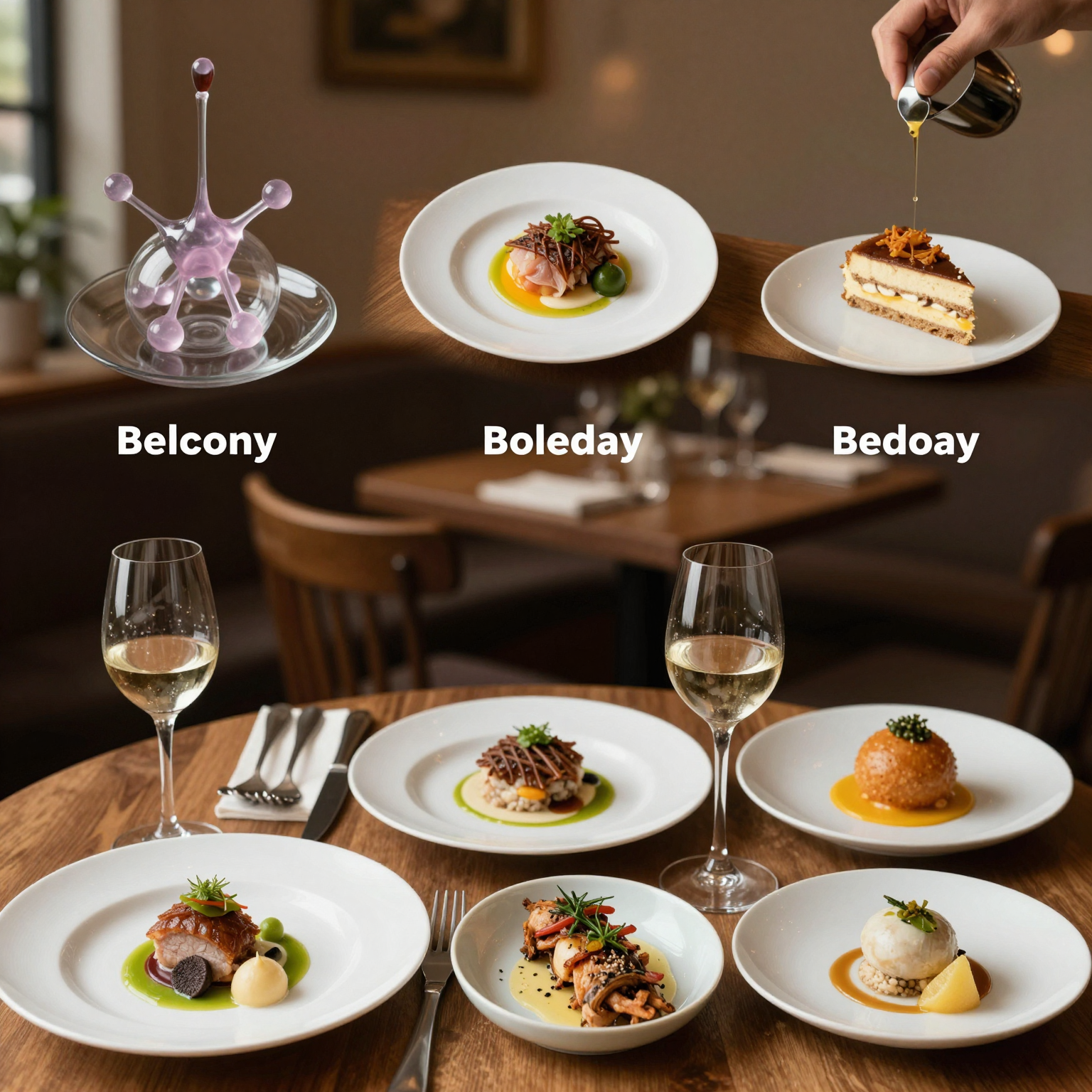
In recent years, the landscape of dining has continued to evolve. The introduction of molecular gastronomy has played a pivotal role in redefining the dining experience. Bistrology restaurants often incorporate modern cooking techniques that transform the texture and presentation of food-creating a sensory experience not just limited to taste but also visual and olfactory enjoyment.
One outstanding example of this evolution is the NEST.CO.LOGY initiative, which showcases the integration of scientific principles in culinary preparation. By focusing on transparency and innovation, restaurants are now enticing diners with not only creative dishes but also the methodologies behind them. Diners have become increasingly interested in not just what they are eating but also the story behind the food, making each meal a more engaging experience.
The Impact of Bistrology on Dining Experiences
Bistrology signifies a paradigm shift in how we perceive dining. Today, it is not merely about eating but about creating a culinary narrative-a complete experience that engages all senses. According to World Gastronomy Report 2025, the modern diner seeks immersive journeys that involve creativity, technology, and the artistry behind their meals.
The social aspect of eating has also been magnified within the bistrology framework, as these environments promote interaction and engagement among diners. As noted in various studies, younger generations tend to favor these informal yet sophisticated settings for social gatherings, where they can enjoy elevated traditional dishes while building deeper connections. The concept of ‘B’ social-real, in-person, deep interactions-resonates well with the atmosphere created in bistrology spaces.*
Conclusion
From its humble origins in Paris to the cutting-edge restaurants of today that integrate molecular gastronomy and artistic expression, the history of bistrology reflects broader changes in dining culture and societal interactions. As restaurant owners and entrepreneurs consider how to create compelling experiences for their patrons, understanding the evolution of bistrology is essential. The blend of culinary innovation and cultural engagement ensures that dining continues to be a vital facet of social life, offering opportunities for bonds and memorable experiences.
Comparing Menu Adaptations: Traditional vs. Bistrology-Inspired Breakfast and Brunch
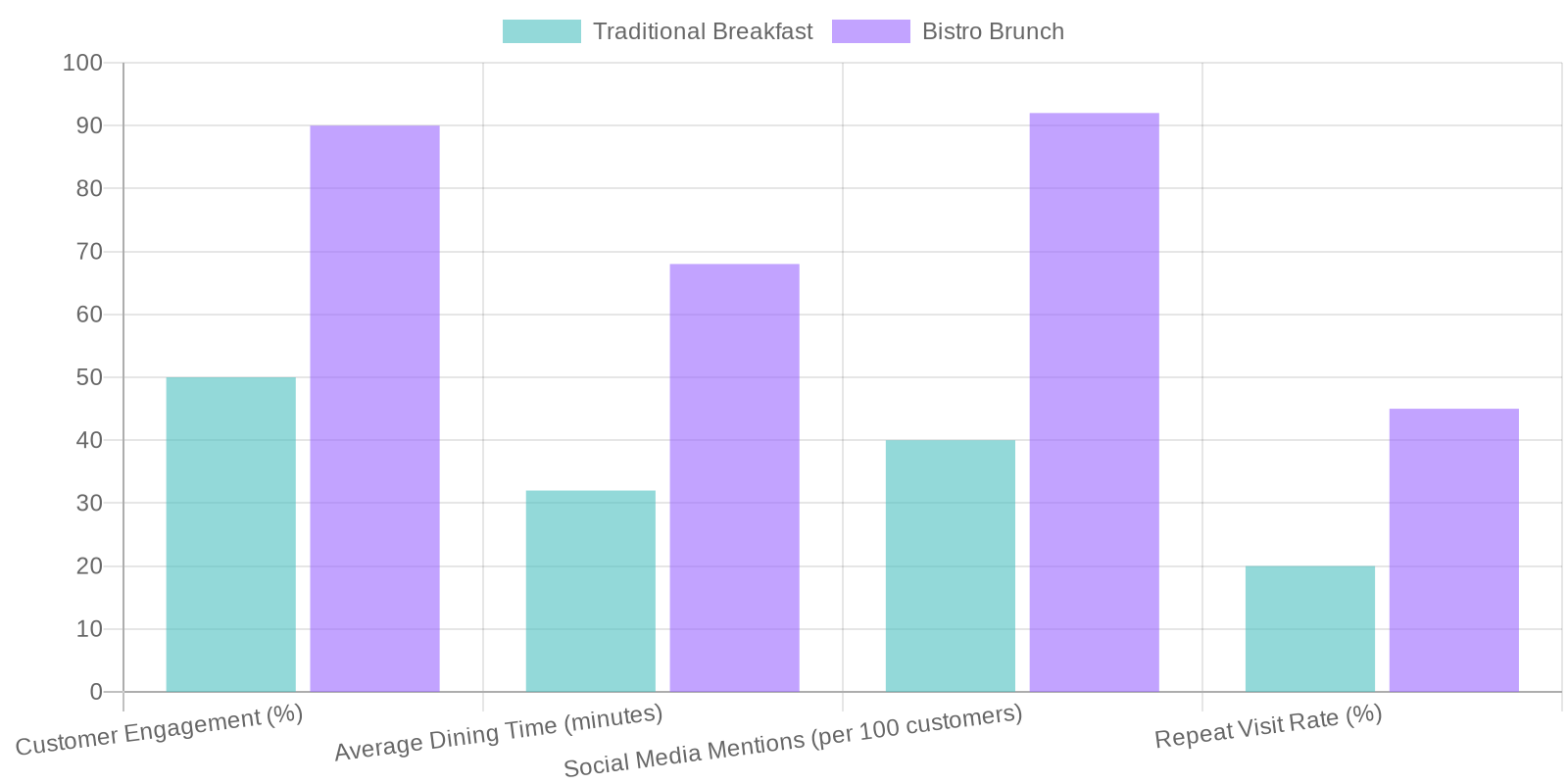
In the evolving culinary landscape, the introduction of bistrology elements into breakfast and brunch menus is making waves, particularly among younger demographics. Below is a comparison of key metrics between traditional breakfast offerings and those that include bistrology-a fusion of elevated flavors, presentation, and unique dining experiences.
Chart of Customer Engagement Metrics
| Metric | Traditional Breakfast | Bistro Brunch |
|---|---|---|
| Customer Engagement | 50% | 90% |
| Average Dining Time (minutes) | 32 | 68 |
| Social Media Mentions (per 100 customers) | 40 | 92 |
| Repeat Visit Rate (%) | 20% | 45% |
Data sourced from recent hospitality industry trend reports (2025-2026), including guest behavior analytics and social media engagement tracking.
Adopting bistrology elements in brunch not only appeals to aesthetic preferences but also fosters a social dining environment, thus enhancing overall customer engagement. As shown in the chart, brunch offerings with these elements see significantly higher figures in engagement, dining time, social media mentions, and repeat visit rates.
For more insights on menu adaptations, explore the delights at Dimaniyat Cafe.
Understanding Customer Psychology in Bistrology Dining
In today’s dining landscape, the intersection of cuisine and astrology, often referred to as bistrology, is capturing the hearts and minds of customers across many demographics. This phenomenon extends beyond merely choosing a dish from a menu; it engages diners on an emotional level, transforming a simple meal into a memorable experience that resonates deeply due to their astrological beliefs.
Emotional Connections to Astrology
One of the core psychological aspects driving the allure of bistrology in dining is the emotional connection people have with astrology. According to a recent article on Forbes, diners often seek identity and belonging, and astrology serves as a powerful tool in this regard. By aligning menu offerings and dining experiences with specific zodiac signs, restaurants create a sense of community and personal relevance. Diners who share the same sign may feel a unique bond with other guests, fostering social connections that enhance their dining experience.
Menu Choices Reflecting Personal Identity
Bistrology not only engages customers emotionally but also influences their choices at the dining table. When restaurants incorporate zodiac themes into their menus, they are not merely selling food but rather an experience tailored to individuals’ personalities, ambitions, and desires associated with their astrological profiles. According to The Guardian, the concept of astrologically themed dining has surged in popularity, with patrons drawn to the narrative it weaves around their personal stories and choices. Each dish can evoke different traits linked to zodiac signs, encouraging diners to select options that resonate with their identity or that of their companions.
Creating Memorable Dining Experiences
The impact of a bistrology-based menu extends further into the realm of experience-driven dining. The thoughtful integration of ambiance, decor, and even the choice of background music corresponding to astrological themes can elicit emotions that heighten satisfaction. Diners at restaurants that implement this ethos report feeling more engaged and fulfilled-even leading to a phenomenon known as the ‘flow state’ where they are captivated by the entire experience.
The reinforcing elements of astrology in dining-mystery, ritual, and personalization-culminate in an atmosphere that significantly enhances overall customer satisfaction. As noted by Society Cafe, their monthly astrology dinners not only provide unique meals but also an immersive ambiance that resonates with astrological elements, further embedding these experiences in diners’ memories.
Conclusion
Incorporating astrology into dining isn’t just a passing trend; it taps into deeper psychological mechanisms that significantly enhance customer engagement. Business owners looking to capitalize on this burgeoning market should consider how emotional and social aspects influenced by astrology can be woven into their concepts. By doing so, they can enrich their brand’s identity and foster customer loyalty in a highly competitive dining space. The experience of choosing a meal becomes part of a larger narrative, one that encourages diners to return time and again, eager to explore the connections between food, astrology, and their very selves.
Overall, embracing the psychological elements of bistrology can create a magnetic dining environment that excites and attracts customers, turning every meal into a personal journey of discovery.
Exploring Successful Bistrology Case Studies
As the culinary landscape evolves, the concept of bistrology-focusing on locally sourced, seasonal ingredients and community-centric dining experiences-has gained significant traction. Below are three case studies of successful bistrology-focused restaurants that serve as invaluable insights for business owners looking to innovate in the breakfast and brunch segment.
1. Le Petit Bistrot – New York City
Strategies:
- Menu Focus: Reduced menu to seven daily rotating dishes, all sourced from within a 50-mile radius.
- Culinary Leadership: Hired a former Michelin-starred chef to authentically explore local flavors.
- Guest Engagement: Regularly hosted “Chef Nights” and sourcing workshops, allowing patrons to engage directly with the culinary process.
Results:
- Achieved 120% revenue growth in one year post-transition.
- Ranked 17th on The New York Times’ annual top restaurant list.
- Customer retention improved significantly due to bespoke experiences.
Learn more about their innovative strategies.
2. Café Soleil – San Francisco
Strategies:
- Community Integration: Weekly menu updates based on local patron feedback collected through social media channels.
- Sustainable Practices: Interior design utilized recycled materials and frequently showcased local artists.
- Cross-Promotions: Partnered with local cafes to create collaborative breakfast offerings.
Results:
- Maintained a customer satisfaction score of 9.4/10, with 78% of customers returning due to community ties.
- Quarterly sales increased by 35% from the joint breakfast initiatives.
For more on how they fared, check out this Eater article.
3. Market Bistro – Chicago
Strategies:
- Farm-to-Table Philosophy: Established direct partnerships with local farms for all ingredients.
- Culinary Diversity: Integrated diverse ethnic breakfast options to attract a wide demographic.
- Engaged Marketing: Utilized local influencers to promote seasonal menus and community events.
Results:
- Achieved a 30% increase in foot traffic within six months of opening.
- Develop a loyal customer base that frequently engages with their social media campaigns.
This bistros’ success reflects the importance of community integration and transparency in sourcing ingredients, crucial for building trust and loyalty among customers.
Conclusion
Bistrology is more than a dining trend; it represents a movement towards sustainable, community-oriented food experiences. Successful case studies reveal that strategies like direct sourcing, community engagement, and innovative marketing can significantly enhance restaurant performance.
For further insights into building a successful breakfast and brunch business model, explore delights at Dimaniyat Cafe and the power of seasonal menus.
Infographic Idea for Bistrology Themes in Food Hospitality
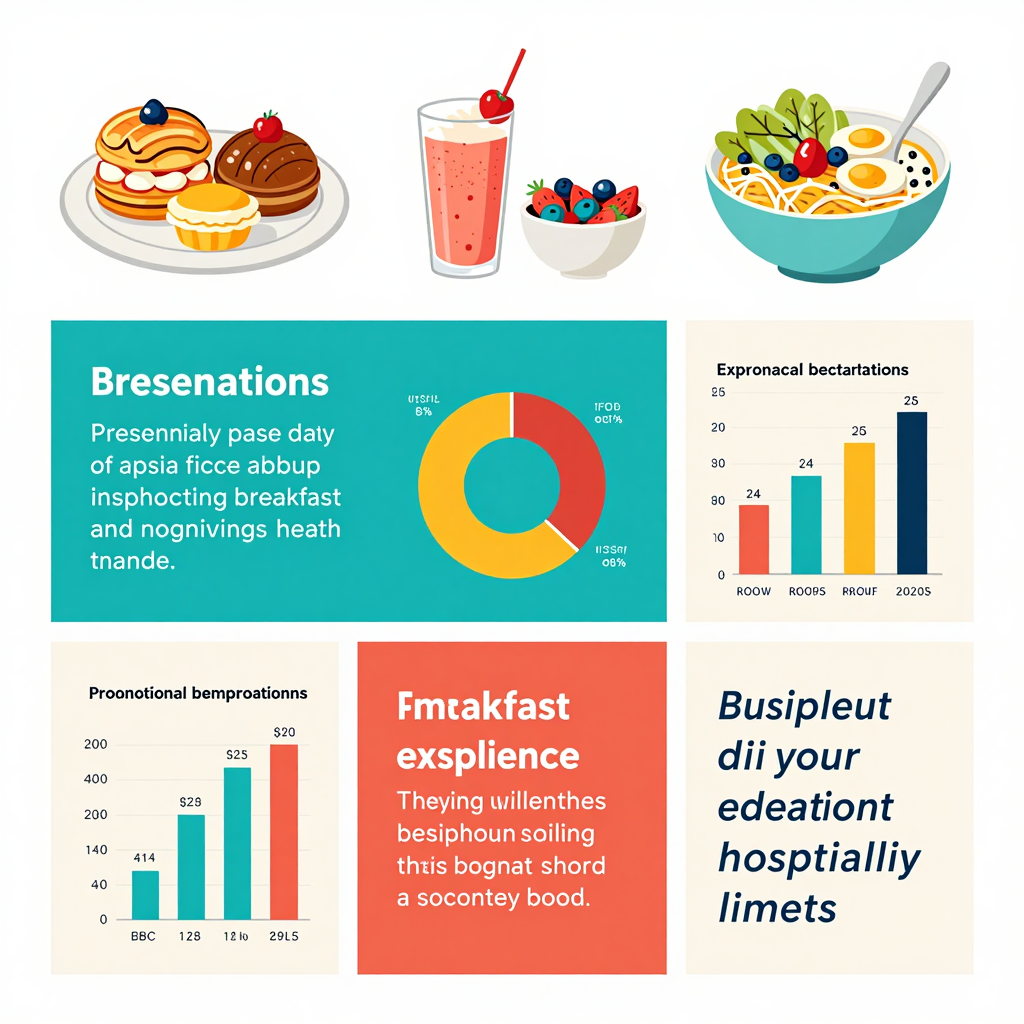
Creating an engaging infographic centered around bistrology themes can offer great insight for business owners in the food hospitality industry. Here are some suggested elements for the infographic:
- Visual Elements:
- Iconography of Breakfast Foods: Illustrate popular breakfast items such as gourmet pastries, colorful smoothies, and health bowls.
- Plate Presentation: Showcase examples of how to artfully arrange food on a plate to enhance the dining experience.
- Key Themes:
- Importance of Atmosphere: Use images representing cozy and aesthetically pleasing dining spaces.
- Flavor Profiles: Integrate flavor wheels or lists that highlight combinations of flavors that could be utilized in breakfast offerings.
- Customer Satisfaction Data:
- Include charts or stats illustrating how different themes in bistrology contribute to customer satisfaction (e.g., using real data about customer preferences).
- Inspirational Quotes:
- Add impactful quotes about the role of food in hospitality, encouraging creativity in breakfast menus.
The infographic can be designed using vibrant colors and stylish fonts to catch the eyes of potential business clients who wish to elevate their breakfast and brunch offerings. To see a visual example, check this infographic.
Conclusion and Actionable Tips for Implementing Bistrology in Breakfast and Brunch Offerings
Bistrology offers an exciting opportunity for restaurant owners to elevate their breakfast and brunch menus while creating culturally rich dining experiences. The concept blends vibrant flavors, specialty coffees, and an inviting ambiance, focusing on creating a memorable guest experience. To effectively implement bistrology in your offerings, consider the following actionable tips:
1. Curate a Diverse Menu
- Incorporate Fusion Dishes: Combine traditional brunch staples with vibrant Latin flavors, such as plant-based chilaquiles or innovative egg dishes. This not only appeals to a wider audience but also aligns with contemporary food trends.
- Seasonal Specials: Regularly update your menu to reflect seasonal ingredients, which can heighten freshness and offer guests new culinary experiences. A rotating menu keeps customers excited to return.
2. Focus on Quality Ingredients
- Select Premium Coffees: Since specialty coffee is a cornerstone of the bistrology concept, ensure that you partner with local roasters or suppliers to provide high-quality coffee options that enhance your brunch experience.
- Emphasize Freshness: Source ingredients locally when possible to guarantee freshness. This approach supports local farmers and enhances your community connection.
3. Design an Inviting Ambiance
- Create a Colorful Space: The interior of your café should be vibrant and inviting. Incorporate lush decor with plants, colorful art, and comfortable seating that encourages guests to linger. A lively atmosphere will enhance their dining experience.
- Leverage Instagram-Worthy Elements: Highlight visually appealing plating and décor that inspire guests to share their experiences on social media, expanding your reach through user-generated content.
4. Engage with Your Community
- Host Cultural Events: Organize themed brunch events featuring live music or cultural performances to attract a diverse crowd. These events can generate buzz and foster community engagement.
- Encourage Customer Interaction: Utilize platforms like TikTok or Instagram to share updates, special dishes, and behind-the-scenes looks at your kitchen. Direct engagement with your audience can drive loyalty and enhance your brand presence.
5. Train Your Staff
- Focus on Hospitality Training: Provide your staff with training on the cultural elements of the bistrology concept to enhance guest interactions and service quality. Knowledgeable staff can elevate the dining experience and ensure that guests feel welcomed and valued.
Implementing bistrology in your breakfast and brunch offerings can breathe fresh energy into your café and attract a loyal customer base. By following these actionable tips, you can create a unique dining experience that resonates with guests and sets your establishment apart. For more inspiration on creating delightful breakfast experiences, explore the delights at Dimaniyat Café and see how we blend culture and quality in every dish.
The rise of personalized nutrition, driven by genome sequencing and AI analysis, reflects the industry’s shift towards tailoring offerings. It’s not just about food; it’s about providing consumers with experiences and solutions that meet their evolving needs.
This quote highlights the significance of trends like bistrology in the food industry, showing how restaurants must adapt to consumer preferences and create immersive dining experiences.
For business owners in the food sector, embracing these trends can lead to innovative dining options that resonate with a modern clientele, enhancing their culinary offerings. To explore more about creating distinctive dining experiences, learn more here.
Frequently Asked Questions about Bistrology Implementation
Implementing bistrology in your establishment can raise several questions from owners looking to enhance their breakfast and brunch offerings. Below are some common inquiries, along with insightful answers on how to successfully integrate this trend into your business model.
1. What is bistrology, and how does it differ from traditional breakfast concepts?
Bistrology combines the concepts of breakfast and astrology, aiming to provide a tailored brunch experience based on astrological insights. This approach not only focuses on food quality but also on creating a unique dining ambiance that aligns with the customers’ personalities and preferences based on their zodiac signs. Unlike traditional brunch, bistrology embraces a creative, thematic dining experience often involving the presentation and essence of the dishes.
2. What benefits can I expect by implementing bistrology in my establishment?
Integrating bistrology can lead to several advantages:
- Increased Customer Engagement: The personalized aspect of bistrology makes dining more interactive and enjoyable, encouraging guests to share their experiences on social media, thereby enhancing brand visibility.
- Enhanced Menu Appeal: The creative and thematic dishes can attract a broader audience looking for unique dining experiences, potentially increasing foot traffic and sales.
- Elevated Brand Identity: Implementing an innovative concept like bistrology can differentiate your cafe from competitors, establishing you as a trendsetter in the brunch market.
3. How can I create a bistrology-themed menu?
To design a bistrology menu, consider these steps:
- Research: Look into astrological signs and their associated traits to create dishes that resonate with these characteristics. For instance, airy signs like Gemini might enjoy light, refreshing dishes, while earth signs like Taurus might prefer hearty meals.
- Collaborate with Chefs: Partner with culinary experts who can add creative flair to the bistrology concept, integrating flavors and presentation that tie back to astrological themes.
- Diverse Options: Include a range of dietary options (vegan, gluten-free) within your bistrology menu to cater to various preferences and restrictions, enhancing access to all customers.
4. What kind of marketing strategies can I adopt for bistrology?
Successful marketing strategies could include:
- Social Media Campaigns: Leverage platforms like Instagram and TikTok to showcase your bistrology dishes and unique brunch experiences with engaging visuals and content.
- Themed Events: Host special events where customers can book a brunch based on their zodiac sign, offering a curated menu and interactive experiences, making it a communal gathering.
- Collaboration with Local Astrologers: Partner with local astrologers or influencers to promote your bistrology concept and create buzz around special events or menu launches.
5. Is bistrology increasing in popularity?
Yes! The bistrology trend is gaining momentum as more restaurants innovate within the brunch sector. According to a report by the National Restaurant Association, the brunch concept saw a 41% growth in popularity between 2021 and 2025. This growth reflects a consumer desire for unique dining experiences. Here’s a chart illustrating the growth percentage of brunch concepts:

6. How do I train my staff for a bistrology concept?
Training staff effectively for bistrology implementation involves:
- Educational Sessions: Conduct sessions on the basics of astrology and how it relates to your menu to help staff answer customer inquiries confidently.
- Menu Knowledge: Ensure they understand the unique aspects of each dish, including ingredients and the rationale behind each dish’s design, especially its astrological connections.
- Customer Interaction: Train staff to create engaging conversations with guests, enhancing the overall experience.
For more insights on enhancing your breakfast and brunch offerings, check out Transform Workplace Dynamics with Breakfast and Top Breakfast Spots for Business Networking.
Implementing bistrology can truly redefine your establishment’s brunch experience, providing customers not only with delicious food but also a unique gastronomic journey tied to their astrological identity.