

Introduction to the English Breakfast: A Cultural Staple for the Food Service Industry
The English breakfast is more than just a meal; it is a cultural icon that resonates deeply with both locals and tourists alike. Often referred to as a “full English,” this hearty breakfast typically features a delightful array of ingredients, including back bacon, sausages, eggs, baked beans, grilled tomatoes, and toast. Historically, this breakfast can serve as a social meal, celebrating regional customs and familial connections, making it a staple in pubs and cafes across the UK. The significance of offering an English breakfast in your establishment cannot be overstated in today’s food service industry.
For businesses targeting the culinary market, embracing the appeal of the English breakfast can serve as a critical differentiator. This traditional meal embodies the spirit of British cooking and encourages leisurely dining, which contrasts with fast-paced alternatives. In an age where consumers are increasingly seeking authentic cultural experiences and connections, an English breakfast can attract a diverse clientele and build brand loyalty. Furthermore, the growing trend toward all-day breakfast options presents an ideal opportunity for establishments to capitalize on this classic by offering it outside of the traditional breakfast hours. To learn more about how you can enhance your offerings with delightful breakfast choices, check out our guide on exploring the delights at Dimaniyat Cafe. The incorporation of such a culturally rich dish may serve not only to elevate your menu but also to position your business as a destination for those yearning for genuine culinary experiences.
Components of a Traditional English Breakfast
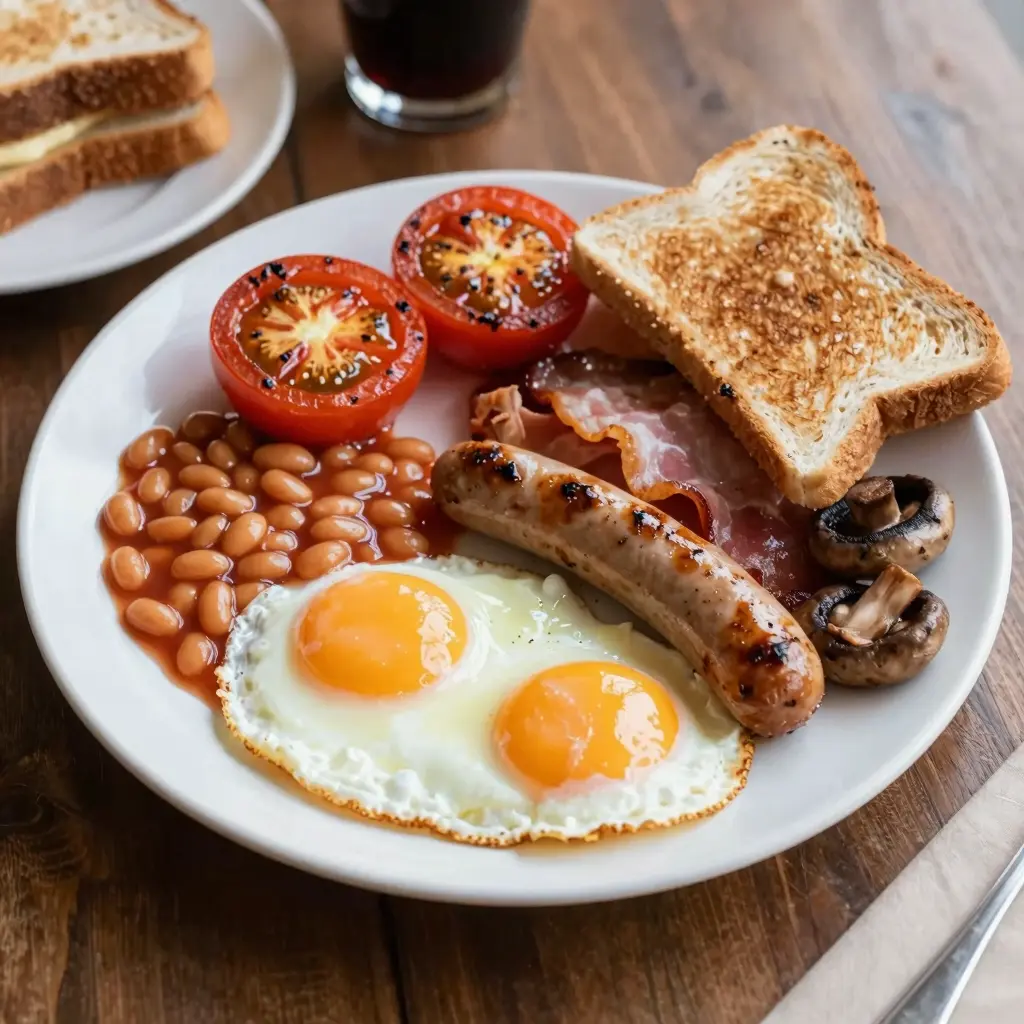
A traditional English breakfast, also known as a ‘full English,’ is a hearty meal that showcases a variety of components. This breakfast is not just about filling the stomach but also about bringing together flavors, textures, and regional variations. Here’s a breakdown of the common items:
-
Bacon
Typically back bacon, which is meatier and considered a staple of an English breakfast. Crisped to perfection, it adds a savory flavor to the meal. -
Sausages
Often made from pork, sausages are essential in a full English breakfast. Varieties can change by region, with some incorporating local herbs and spices. -
Eggs
Eggs can be served fried, scrambled, or poached, catering to different preferences. Chefs might prepare them sunny-side up or with a runny yolk for added richness. -
Baked Beans
A classic accompaniment, these are usually in a lightly spiced tomato sauce. They provide a sweet contrast to the savory elements of the breakfast. -
Grilled Tomatoes
Often halved and grilled, they add a fresh, juicy element to balance the heavier components. -
Mushrooms
Typically sautéed, mushrooms add an earthiness to the meal. Button mushrooms are commonly used, but wild varieties may also be featured in gourmet interpretations. -
Black Pudding
A type of blood sausage that is loved by many for its rich taste and unique texture. It’s more commonly found in northern regions of England. -
Toast or Fried Bread
Toast is often served buttered, while fried bread adds an extra indulgent touch, crispy on the outside and soft inside. Both serve as great bases to soak up egg yolks or beans.
Exploring these components not only invites diners to enjoy a traditional meal but can also pave the way for innovative variations in your own café. For more insights on enhancing your breakfast menu, explore the delights at Dimaniyat Cafe.
To connect your breakfast offerings with business opportunities, check out top breakfast spots for business networking.
Conclusion
The full English breakfast is more than just food; it’s a cultural experience that combines history and flavor. Offering a few variations on this classic can create a delightful breakfast experience, appealing to both locals and tourists alike.
The Evolution of the English Breakfast
The English breakfast, often referred to as a “Full English,” has undergone significant transformations throughout its history. Its roots can be traced back to the Tudor period, where lavish breakfasts included an array of meats and breads, signifying wealth and abundance. As time progressed, particularly during the Victorian era, the meal began to take on a more standardized form. Traditional components such as eggs, bacon, sausages, baked beans, and toast became staples, representing a hearty start to the day for all, not just the affluent.
Historically, breakfast was not always considered important. The concept of breakfast itself evolved, with the meal becoming increasingly recognized in the 19th century as people shifted to a more scheduled approach to meals, correlating with the rise of industrialization. This period saw breakfast being embraced by the working class as a vital meal to fuel long hours of labor.
In modern times, the English breakfast has adapted to fit various dietary preferences and lifestyles. The catering industry has played a pivotal role in this evolution. With a growing demand for healthier options, contemporary interpretations of the English breakfast often include gluten-free bread, plant-based sausages, and an array of fresh vegetables. These adaptations are designed not only to cater to health-conscious consumers but also to reflect changing societal attitudes towards food.
Moreover, the rise of the brunch culture has allowed for innovative combinations and fusion dishes, further enriching the traditional meal. The English breakfast has emerged as a versatile offering in café menus, appealing to diverse clientele looking for a hearty and satisfying start to their day.
As the catering industry continues to grow, offering customizable breakfast options has become essential. Flexible setups, including grab-and-go styles and buffet formats, cater to corporate events and special occasions, emphasizing convenience and personalization. For business owners within the catering space, understanding the evolution and modern adaptations of this beloved meal can lead to successful menu innovations and improved customer satisfaction.
For more explorations into breakfast options, check out the delights at Dimaniyat Café or breakfast strategies successful CEOs adopt.
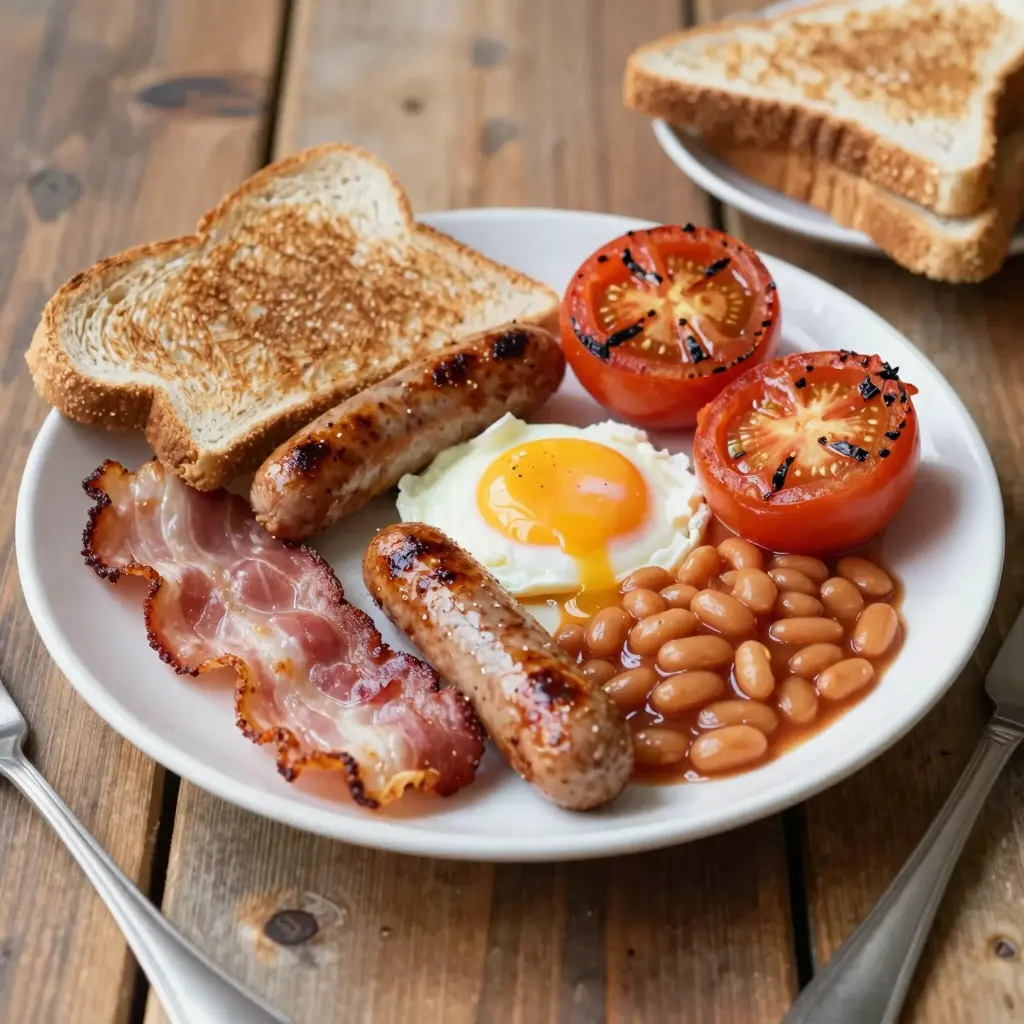
This hearty meal is not only about its delicious components but also its remarkable journey through history, embodying the culinary tradition and cultural significance of the English dining experience.
English Breakfast Preferences Among Consumers
The English breakfast, a beloved tradition, has been evolving as consumer preferences shift over time. In recent years, significant trends and data have emerged that business owners should consider when catering to breakfast lovers.
Popular Components of English Breakfast
According to a survey conducted in 2023, the most popular components of a traditional Full English breakfast are:
| Component | Percentage Preference |
|---|---|
| Bacon | 89% |
| Sausages | 84% |
| Eggs | 92% |
| Mushrooms | 78% |
| Baked Beans | 75% |
| Grilled Tomatoes | 63% |
| Toast | 85% |
| Black Pudding | 45% |
This table demonstrates the top choices for consumers, with eggs, bacon, and sausages leading the pack. Learn more about the Full English Breakfast components.
Trends in Dining Out for Breakfast
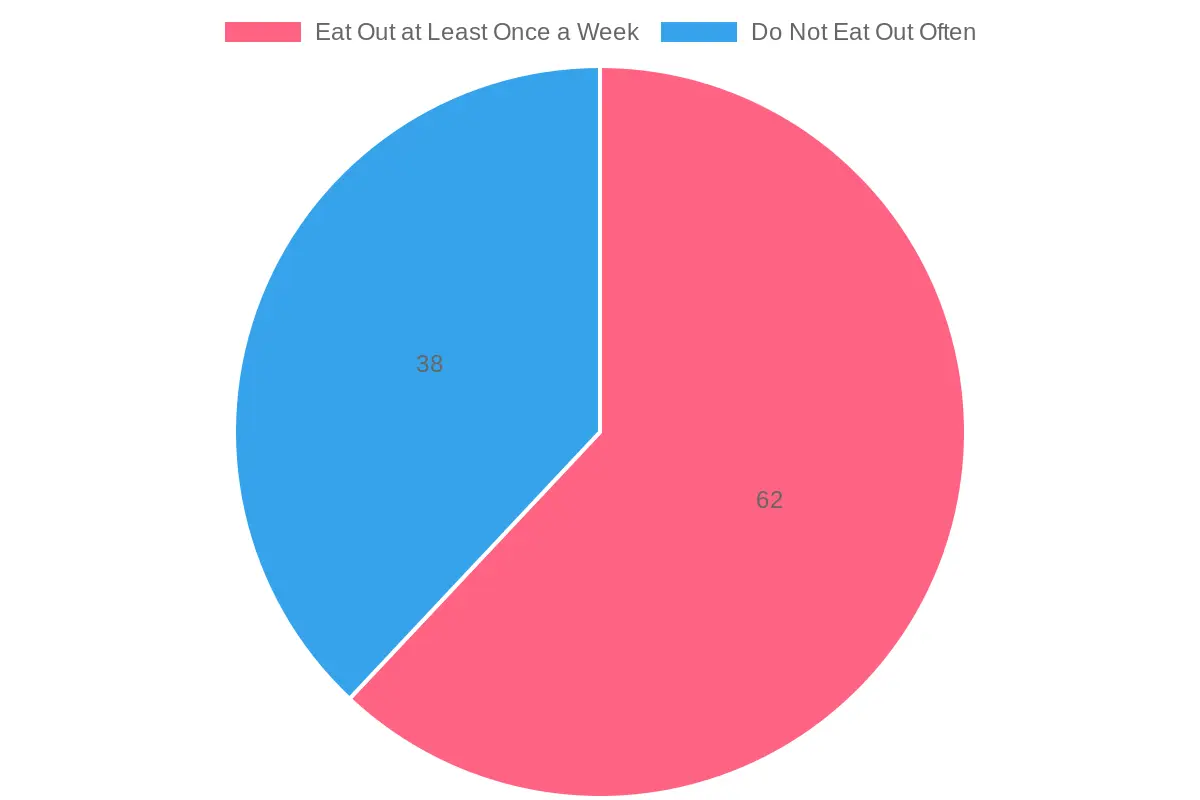
The trend of dining out for breakfast is reportedly on the rise. In Germany, 62% of consumers eat out for breakfast at least once a week, reflecting a broader global trend where dining out for breakfast is becoming increasingly popular.
Key Insights:
- All-Day Breakfast Options are gaining traction, as consumers seek breakfast items beyond traditional hours.
- Consumer Spending is on the rise, with many expecting to spend between $25-$50 per person for special breakfast meals, indicating a willingness to pay for quality dining experiences.
Conclusion
As a business owner, understanding these consumer preferences can help in planning menus, marketing strategies, and pricing models that cater to the evolving tastes and habits of breakfast enthusiasts. For further insights on breakfast dining trends, explore more at Dimaniyat Cafe.
By adapting to these preferences, you can effectively attract and retain customers eager to enjoy a classic English breakfast experience.
Regional Variations of English Breakfasts
When it comes to breakfast in England, regional variations showcase unique elements that delight taste buds. Here’s a table comparing some of these beloved breakfasts:
| Breakfast Type | Unique Elements |
|---|---|
| Full English | Bacon, sausages, eggs, baked beans, mushrooms, grilled tomatoes, and toast. |
| Scottish Breakfast | Includes full English elements plus haggis, black pudding, and sometimes oatmeal. |
| Welsh Breakfast | Features laverbread (seaweed), cockles, unique Welsh cheeses, and occasionally bacon and eggs. |
| Irish Breakfast | Similar to the full English with additional soda bread, white pudding, and sometimes potato farls. |
Each of these breakfasts not only fuels the day but also reflects the rich culinary heritage of its region, offering distinct flavors and traditions.
To deepen your appreciation for breakfasts like these, explore the delights at Dimaniyat Cafe.
Health Aspects of a Traditional English Breakfast
A traditional English breakfast is a hearty meal often consisting of various components such as fried eggs, sausages, bacon, baked beans, grilled tomatoes, mushrooms, and toast. While delicious, it’s essential to consider the nutritional aspects of this beloved fare, especially for business owners aiming to balance taste with health considerations in their offerings.
Nutritional Breakdown
To inspire informed choices, here’s a breakdown of the nutritional content of a typical English breakfast:
| Component | Calories | Fats (g) | Carbohydrates (g) | Protein (g) |
|---|---|---|---|---|
| Fried Egg | 90 | 7 | 1 | 6 |
| Sausage (Pork) | 300 | 28 | 1 | 13 |
| Bacon | 42 | 3.3 | 0.1 | 3.2 |
| Baked Beans | 155 | 0.7 | 30 | 7.8 |
| Black Pudding (Blood Sausage) | 120 | 10 | 5 | 6 |
| Grilled Tomato | 11 | 0.2 | 2.5 | 0.8 |
| Mushrooms | 15 | 0.2 | 2.3 | 2 |
| Toast (whole grain) | 80 | 1 | 15 | 4 |
| Butter (for toast) | 102 | 11.5 | 0.1 | 0.1 |
| Total (approx.) | 883 | 62.9 | 56.9 | 43.9 |
This table reflects the high calorie, fat, and protein content typical of a full English breakfast. For business owners, understanding these metrics can help in tailoring the meal to various dietary needs, accommodating those seeking healthier options without compromising on flavor.
Balancing Taste and Health
-
Portion Control: Offer smaller portion sizes or half-plate options to reduce calorie intake while still allowing customers to enjoy the meal’s variety.
-
Healthy Swaps: Consider alternatives like turkey sausages instead of pork, serving grilled instead of fried foods, or adding more grilled vegetables as side options.
-
Creative Ingredients: Incorporate whole-grain breads or avocado as sides, which can boost nutritional content and provide heart-healthy fats.
-
Plant-Based Versions: With the rising interest in plant diets, explore creating a vegetarian or vegan version of the breakfast that retains traditional elements while offering a healthier footprint. Learn more about creating a healthier menu.
Business owners can contribute to a healthier dining culture by providing choices that emphasize taste and nutrition without losing the essence of the traditional English breakfast. By being aware of these nutritional aspects, cafes can not only please the palate but also promote a more balanced breakfast experience for their customers.
Popularity of English Breakfast Components
The English breakfast is a meal that is deeply rooted in British culture, and its components reflect the diverse tastes of consumers. A recent survey captured the popularity percentages of several key elements commonly included in a traditional English breakfast. Below are the findings presented in a chart format:
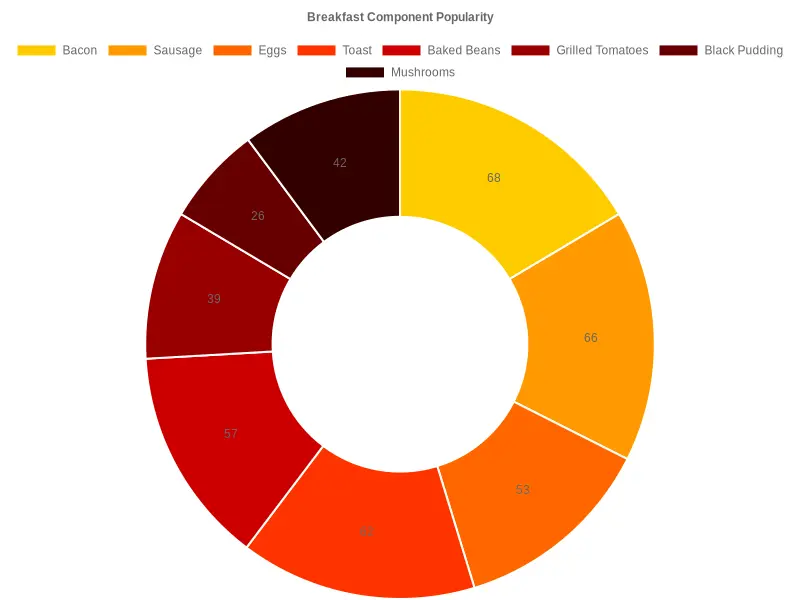
Popularity Percentages of English Breakfast Components
| Component | Popularity Percentage |
|---|---|
| Bacon | 68% |
| Sausage | 66% |
| Eggs | 53% |
| Toast | 62% |
| Baked Beans | 57% |
| Grilled Tomatoes | 39% |
| Black Pudding | 26% |
| Mushrooms | 42% |
This survey indicates that bacon and sausage are the most popular components, reflecting consumer preferences for hearty and indulgent elements in their breakfast. For business owners in the food industry, catering to these preferences can enhance menu offerings and attract a wider customer base. To explore more delights like these, consider exploring the delights at Dimaniyat Cafe.
Understanding the components that make up an English breakfast not only provides insight into culinary traditions but also helps businesses shape their meals around consumer trends.
Further Insights
For more detailed explorations of breakfast trends, check out the insights on the breakfast strategies of successful CEOs.
Incorporating English Breakfasts into Your Business Menu
Including English breakfasts in your business menu can not only diversify your offerings but also cater to the growing demand for hearty, traditional meals. Here are some practical tips for business owners looking to effectively integrate this iconic dish into their menu:
Understand Your Target Market
- Customer Preferences: Identify your target demographic and their preferences when it comes to breakfast. Studies indicate a rising trend towards traditional breakfasts, particularly comfort food like the English breakfast, appealing to various audiences, including families and millennials seeking nostalgic dining experiences.
- Trends: Leverage market trends that show a preference for comforting, wholesome food. Incorporating an English breakfast aligns well with consumer desires for meals made with fresh, quality ingredients that provide both satisfaction and nutritional value.
Menu Design and Pricing
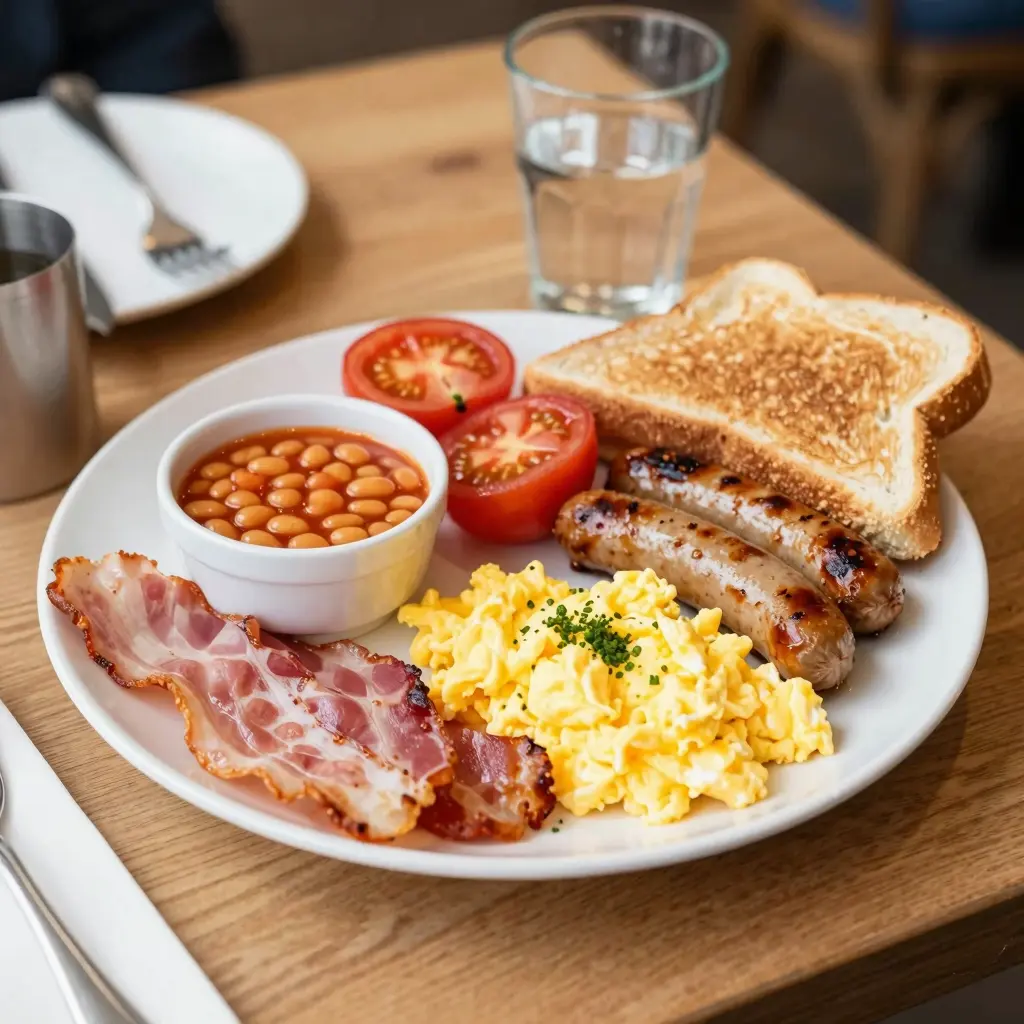
- Stylish Presentation: Consider curating a visually appealing menu that highlights your English breakfast offerings. High-quality images can make a significant impact. For instance, display enticing photographs of full English breakfasts featuring vibrant colors and appetizing arrangements, as depicted in the image below.
- Pricing Strategy: Pricing your dishes to reflect quality without alienating potential customers is crucial. Conduct market research to find a competitive price point for your English breakfast items.
Ingredients and Local Sourcing
- Quality Ingredients: Use high-quality, locally sourced ingredients whenever possible. Organic produce or meats can add a unique touch and appeal to health-conscious diners. Consider offering vegetarian options to cater to a broader market.
- Supply Chain Management: Establish relationships with local suppliers for key ingredients like sausages, bacon, and fresh vegetables, ensuring consistency in quality and taste.
Offer Customization
- Build Your Own Breakfast: Customers appreciate having the option to customize their meals. Consider allowing them to choose from various components-such as adding avocado, mushrooms, or gluten-free toast-providing flexibility and enhancing their dining experience.
Marketing Your Offerings
- Promotions and Specials: Offer breakfast specials or promotional events that feature English breakfasts, such as ‘British Brunch Sundays’ or collaborate with local events to attract more customers.
- Social Media Engagement: Utilize social media platforms to showcase your English breakfast. Encourage user-generated content by inviting customers to share their breakfast pictures using a unique hashtag related to your café.
Conclusion
Implementing English breakfasts into your business menu can create a dynamic dining experience that attracts various customers. By understanding trends, focusing on quality ingredients, and marketing effectively, you can enhance your café’s appeal and potentially boost your breakfast sales. For more insights on crafting delicious breakfast offerings, explore our menu delights.
Consider these strategies as you embark on this venture to successfully incorporate the comforting and beloved English breakfast into your menu offerings.
The Business Benefits of Offering English Breakfasts
In the competitive food service industry, offering a unique and culturally significant menu item like the English breakfast can provide numerous benefits. Not only does it appeal to a diverse clientele, but it also enhances the establishment’s reputation and draws in customers seeking a traditional dining experience. Here’s a summary of the key insights regarding the benefits of serving English breakfasts:
Cultural Significance and Customer Appeal
The English breakfast, a hearty and traditional meal often enjoyed throughout the day, holds cultural significance dating back to the Victorian era. By featuring an English breakfast on your menu, your cafe not only attracts customers interested in this tradition but also positions itself as a place that values authentic dining experiences. The English Breakfast Society emphasizes that such meals can elevate the dining experience, centering around them social events and gatherings, thus giving cafes a chance to create a unique brand identity.
Expanding Customer Reach
Many diners eagerly seek out all-day breakfast options, and the full English breakfast meets this demand. By incorporating a dish known for its widespread appeal, you can attract a broader audience, from locals who enjoy hearty meals to tourists eager to try something traditional. Many cafes that offer English breakfasts see an upsurge in foot traffic, as it resonates with those looking for filling and satisfying meals.
Increased Revenue Potential
Integrating English breakfasts into your menu can contribute to increased customer satisfaction and higher sales. Breakfast menus are not only popular in the morning but have become staples offered throughout the day in many establishments. This strategic shift allows cafes to maximize revenue during all meal hours, capitalizing on breakfast’s growing popularity beyond the early hours. Cafes offering unique breakfast menus are capturing the trend and often see higher customer retention and recommendations.
Conclusion
Incorporating the English breakfast into your cafe’s offerings could set your business apart in a crowded marketplace. As customers seek more diverse and authentic dining experiences, cafes that adapt and innovate with cultural foods can benefit significantly from enhanced reputation and increased patronage. Whether you are a small cafe or a larger establishment, the English breakfast could be a formidable asset in your menu lineup. To explore how you can delight your customers, learn more about our menu options.
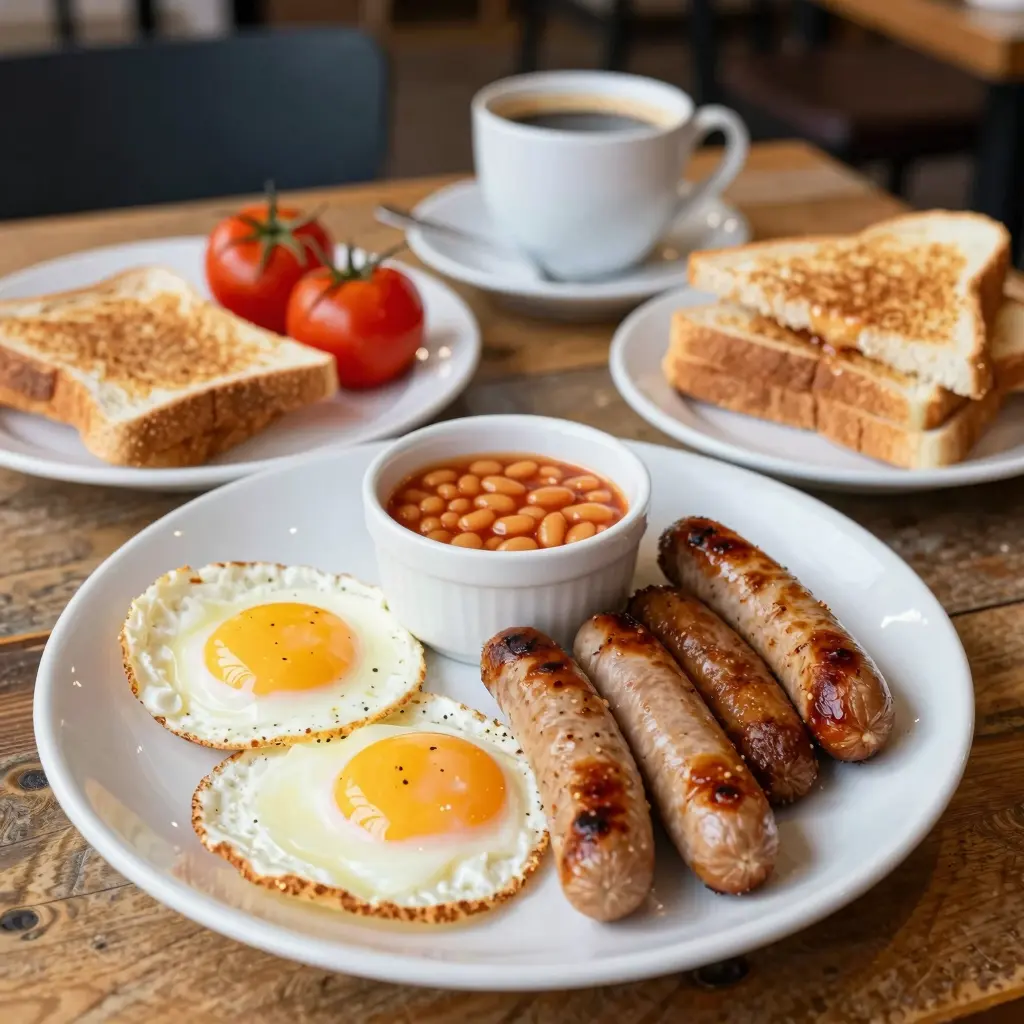
By embracing this time-honored meal, you have the opportunity to create memorable dining experiences that cater to a wide variety of tastes and preferences, thereby positioning your cafe for success in today’s evolving culinary landscape.