
The Significance of Breakfast in Costa Rica: A Cultural and Business Perspective
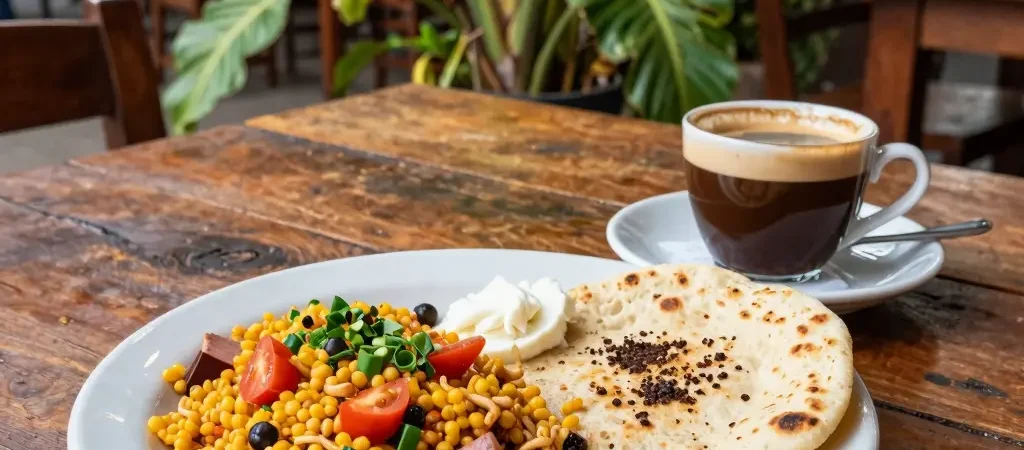
Breakfast in Costa Rica is more than just the first meal of the day-it holds a profound cultural significance that resonates deeply within the community and impacts local businesses. The traditional Costa Rican breakfast, often centered around the beloved dish of Gallo Pinto, symbolizes familial bonds and social connections. This delicious combination of fried rice and black beans, usually accompanied by eggs, fresh tortillas, and a steaming cup of local coffee, reflects the country’s agricultural roots and appreciation for local produce.
In the bustling landscape of Costa Rican gastronomy, breakfast serves as an essential time for family gatherings, fostering communication and strengthening community ties. This daily ritual represents not only a nourishing start to the day but also a way for local business owners to tap into the rich cultural fabric of the region. For entrepreneurs, offering traditional breakfast options at cafes or restaurants can be a successful strategy to attract customers seeking authentic experiences. This cultural relevancy not only enhances customer loyalty but can also lead to increased foot traffic during morning hours, making breakfast a pivotal element for business owners looking to thrive. Understanding the cultural implications of breakfast is crucial in navigating the local market and connecting with a clientele that values tradition and quality in their dining experiences. To explore how breakfast can elevate your business strategy, check out our insights on the subject.
Traditional Costa Rican Breakfast Dishes
Costa Rica is well-known for its lush landscapes and balanced lifestyle, which is mirrored in its traditional breakfast dishes. Breakfast in Costa Rica typically consists of fresh, hearty, and nutritious meals that reflect the country’s agricultural heritage. Among these, gallo pinto and huevos rancheros are standout dishes that represent both culinary tradition and local flavors.
Gallo Pinto
Gallo pinto, which translates to “spotted rooster,” is often regarded as the national dish of Costa Rica and a breakfast staple. This dish consists of a robust mixture of rice and black beans. Its unique texture and flavor arise from the combination of these core ingredients sautéed together with a variety of spices and vegetables.
Ingredients:
- Leftover white rice (usually from the previous day)
- Cooked black beans (or red beans in some regions)
- Onions and garlic
- Bell peppers (optional)
- Cumin, oregano, and sometimes salsa Lizano (a beloved Costa Rican sauce)
- Fried eggs (as a common accompaniment)
- Fresh plantains and cheese served on the side
Preparation Method:
- Cook the rice and beans separately, if they are not leftovers.
- Sauté chopped onions and garlic in a skillet until fragrant.
- Add the rice and beans to the pan, mixing them gently.
- Season with cumin, oregano, and salt, and cook until the mixture is hot and slightly crispy.
- Serve with fried eggs, fresh fruit, and coffee for a complete meal.
Gallo pinto is versatile and can be enjoyed any time of day, but it holds a special place at the breakfast table. Many households make it from leftover rice and beans, making it a resourceful choice that reduces food waste. Food Network Latin America describes it as central to Costa Rican culture, often accompanying familial gatherings around the kitchen table.
Huevos Rancheros
While huevos rancheros is often associated with Mexican cuisine, it has found a comforting place in Costa Rican breakfasts too. This dish features fried eggs served on warm corn tortillas and topped with a rich, flavorful salsa.
Ingredients:
- Corn tortillas
- Eggs (fried or poached)
- Refried beans (optional)
- Salsa (usually made with tomatoes, onions, and peppers)
- Cheese (crumbled queso fresco is a popular choice)
- Fresh avocado (for added creaminess)
Preparation Method:
- Prepare the salsa by sautéing onions, garlic, and tomatoes, and seasoning with spices like chili powder and cumin.
- Fry the tortillas until golden and crispy in a skillet.
- Crack the eggs into the skillet and cook them sunny-side up or poach them directly in the salsa.
- Spread refried beans on the tortillas, place the eggs on top, and generously spoon the salsa over everything.
- Finish with crumbled cheese and slices of avocado.
Huevos rancheros makes for a nourishing start to the day, combining protein with carbohydrates to fuel the morning. You can find several variations according to personal or regional preferences. For recipes that capture its essence, sites like Bon Appétit provide detailed instructions for this delightful dish.
Other Popular Breakfast Dishes
While gallo pinto and huevos rancheros are iconic, Costa Rican breakfasts often include a range of other dishes, such as:
- Tamales: Steamed corn dough filled with meats and spices, wrapped in banana leaves. Preparation requires soaking the corn and careful steaming to achieve the right texture.
- Fried Plantains (Tajadas): Sweet plantains sliced and fried until golden, offering a sweet contrast to savory dishes.
- Fresh Fruit: Tropical fruits like pineapple, mango, and papaya are commonly served alongside meals, providing freshness and hydration to start the day right.
- Café con Leche: A strong coffee typically enjoyed with milk, reinforcing the importance of coffee in Costa Rican culture.
Conclusion
The breakfast scene in Costa Rica is not just about food; it’s a reflection of the country’s culture, family traditions, and appreciation for fresh, locally-sourced ingredients. From gallo pinto, a dish that embodies the country’s resourcefulness, to huevos rancheros, which brings together flavors and textures beautifully, each breakfast dish tells a story. As business owners, understanding these culinary traditions can enhance how you design breakfast offerings in cafes or eateries. It’s not just about the food but about creating an experience that connects people to the vibrant culture of Costa Rica. To explore the delights of breakfast further, you can learn more here.
Breakfast in Costa Rica: The Heartbeat of Community
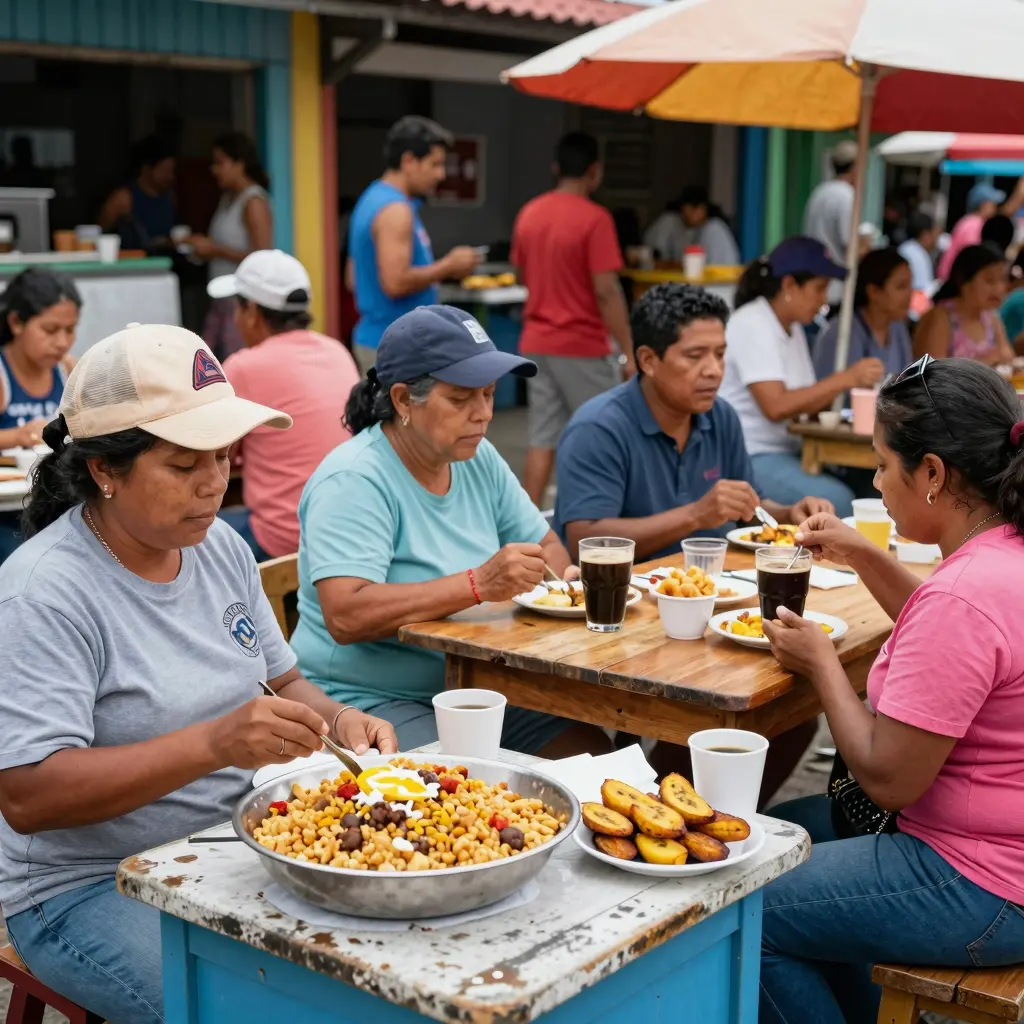
In the lush landscapes of Costa Rica, breakfast isn’t just a meal-it’s a cherished ritual that brings people together. Local food vendors serve this morning staple with a side of community spirit, sharing stories and creating connections that shape the local culture. Breakfast here often revolves around gallo pinto, a delicious blend of rice and black beans, which has become a symbol of national identity and a part of daily life. Local vendors play a crucial role in this cultural fabric, offering not just food, but a slice of human interaction.
Inspiring Stories from Vendors
One such vendor is Maria González, who runs a tortilla stand in Puriscal. Maria emphasizes the communal role her stall plays, saying, “My morning tortilla stand isn’t just about food-it’s where neighbors greet each other, share news, and children get their first meal before school. We’re feeding bodies and building community.” This sentiment captures how breakfast becomes a social hub, particularly in rural areas where connections matter deeply.
Connecting Through Morning Rituals
Across the country, breakfast vendors serve customers who are more than just patrons; they are friends and neighbors. Luis Mendoza, a vendor in San José’s Barrio Escalante, reflects on his two-and-a-half decades in the business: “I’ve been serving people here for 25 years. My customers aren’t just buyers-they’re friends, coworkers, even family. When someone is stressed or sad, they come to my stall, and we talk. That’s part of what I offer.” His words highlight the emotional bond that forms through shared meals, making breakfast a significant moment in the day.
The importance of breakfast is echoed by Ana Rivera, a community organizer in Puntarenas: “These vendors are more than food providers-they are community caretakers. They know who’s struggling, who’s new to town, and who needs a little extra kindness with their coffee and arepa. Their presence creates a sense of belonging in crowded cities.”
A Cultural Staple
Breakfast in Costa Rica, particularly gallo pinto, symbolizes not just sustenance but a rich tradition passed down through generations. Vendors operate in various locales, from bustling marketplaces to street corners, often relying on repeat customers to maintain their livelihood. Each dish served connects the eater to the culture and culinary history of Costa Rica. Visiting a local vendor offers a true taste of Costa Rican life, allowing both locals and visitors to indulge in hearty meals like fried plantains, eggs, and local coffee.
The accessibility and affordability of these breakfasts make them a daily essential for many Costa Ricans. This has fostered a positive economic impact on families involved, as vendors report stronger community ties and improved incomes thanks to supportive local networks and government initiatives.
Conclusion
In conclusion, breakfast in Costa Rica serves as a lens through which we can view the heart of its society. Local vendors not only nourish their communities but also feed connections and friendships, making every meal an interpersonal engagement. As we continue to support these vendors, we also play a role in preserving this beautiful blend of food and fellowship. To explore more about the culinary delights in Costa Rica, check out this article.
For business owners interested in exploring the impacts of local breakfast spots on community dynamics, understanding these personal stories and quotes can provide valuable insight into how breakfast ties into the very fabric of local culture.
Word Count: 688
Nutritional Benefits of Traditional Costa Rican Breakfast Foods
Costa Rican breakfasts typically feature wholesome ingredients like beans, rice, and fresh tropical fruits. These foods not only reflect the rich culinary heritage of Costa Rica but also offer several nutritional benefits that can enhance overall health. Here’s an overview of the key components that make up this traditional fare and their respective health benefits.
Gallo Pinto: The Heart of Costa Rican Breakfast
One of the standout dishes in Costa Rican cuisine is gallo pinto, a delightful combination of black beans and rice. This dish is more than just a staple; it is packed with nutrients:
- Protein and Fiber: Black beans provide approximately 8.9 grams of protein and 8 grams of fiber per 100 grams, whereas white rice contributes about 2.7 grams of protein and 0.4 grams of fiber. This combination ensures a balanced intake of amino acids.
- Vitamins and Minerals: Gallo pinto offers a wealth of essential nutrients. It contains iron, magnesium, and various B vitamins that support energy metabolism and overall vitality. The iron content in beans is particularly beneficial, providing about 3.6 mg per 100 grams (source: Journal of Food Research).
Cooked with fresh ingredients like onions and peppers, gallo pinto also adds phytonutrients and is hearty enough to keep energy levels stable throughout the morning.
Tropical Fruits: Nature’s Sweetness
Costa Rican breakfasts often feature a variety of tropical fruits such as bananas, guavas, and mangoes:
- Vitamin C: Guavas, for instance, are exceptionally high in vitamin C (about 228 mg per 100 grams). This vitamin is vital for immune function and skin health.
- Potassium-Rich: Bananas provide substantial amounts of potassium (around 358 mg per 100 grams), which supports muscle function and cardiovascular health.
- Low-Calorie, High-Fiber: Most tropical fruits are low in calories and high in dietary fiber. For example, guava contains 5.4 grams of fiber per 100 grams, aiding digestion and promoting satiety.
Incorporating these fruits into breakfast not only enhances flavor but also boosts the intake of antioxidants, helping reduce inflammation and chronic disease risk (source: NutritionFacts.org).
Nutritional Summary: Comparative Analysis
To highlight the nutritional value of these breakfast staples, here is a comparison of their key nutrients per 100 grams:
| Nutrient (per 100g) | Black Beans | White Rice (cooked) | Banana | Guava |
|---|---|---|---|---|
| Calories (kcal) | 341 | 130 | 89 | 68 |
| Protein (g) | 21.2 | 2.7 | 1.1 | 2.6 |
| Fiber (g) | 15.4 | 0.4 | 2.6 | 5.4 |
| Vitamin C (mg) | 0 | 0 | 8.7 | 228.3 |
| Vitamin B1 (Thiamine, mg) | 0.5 | 0.1 | 0.03 | 0.1 |
| Iron (mg) | 3.6 | 0.2 | 0.2 | 0.2 |
| Potassium (mg) | 780 | 35 | 358 | 142 |
| Magnesium (mg) | 125 | 10 | 27 | 16 |
Conclusion
Costa Rican breakfasts are not only delicious but also offer a wealth of nutritional benefits. The combination of rice, beans, and fresh tropical fruits creates a balanced, nutritious meal that fosters good health and energy throughout the day. For business owners looking to enhance breakfast offerings, incorporating these traditional elements can provide a unique and healthy dining experience.
Traditional Costa Rican Breakfast Options
Overview
Costa Rican breakfasts are hearty, nutritious, and often feature a mix of local ingredients rich in flavor and essential nutrients. Below is a comparison of some popular traditional breakfast options, detailing their primary ingredients and nutritional highlights.
| Traditional Costa Rican Breakfast Option | Primary Ingredients | Nutritional Highlights (per serving) |
|---|---|---|
| Gallo Pinto | Rice, black or red beans, bell peppers, onions, garlic, cilantro, Lízano sauce | Calories: ~400-500 kcal Protein: ~15-20 g Fiber: ~10-14 g |
| Casado | Rice, plantains, black beans, salad (tomatoes, lettuce, onion), corn tortillas, protein (chicken, beef, pork, fish, or sausage) | Calories: ~500-700 kcal Protein: ~25-35 g Fiber: ~8-12 g |
| Tropical Fruit Plate | Fresh tropical fruits such as mango, pineapple, papaya, guava, banana, and passionfruit | Calories: ~150-200 kcal Protein: ~2-3 g Fiber: ~6-8 g |
Note: Nutritional values are approximate and may vary based on portion size, preparation method, and specific ingredients used. Sources include USDA FoodData Central and nutrition databases from health institutions in Costa Rica (as of 2026).
For further insights into why breakfast is vital for business success, learn more about nutritious breakfasts and their impact on performance.
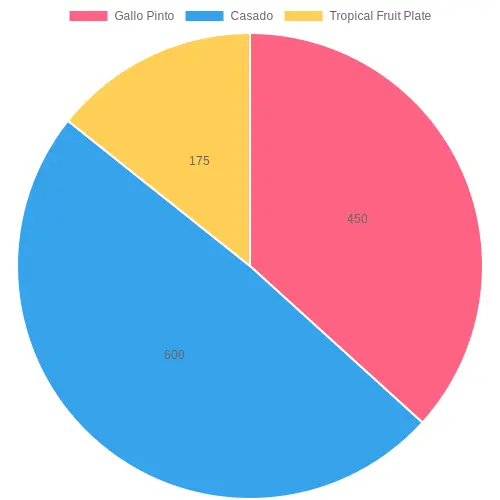
This visual representation shows caloric distribution among traditional Costa Rican breakfast options, highlighting the caloric content variance between Gallo Pinto, Casado, and a Tropical Fruit Plate, illustrating the diversity in nutritional choices available.
Costa Rican breakfasts typically combine proteins, healthy fats, and fresh produce, making them a nutritionally balanced meal choice. As a business owner, understanding these options can help enhance your breakfast offerings to cater to both local tastes and health-conscious customers.
The Role of Breakfast in Costa Rican Business Culture
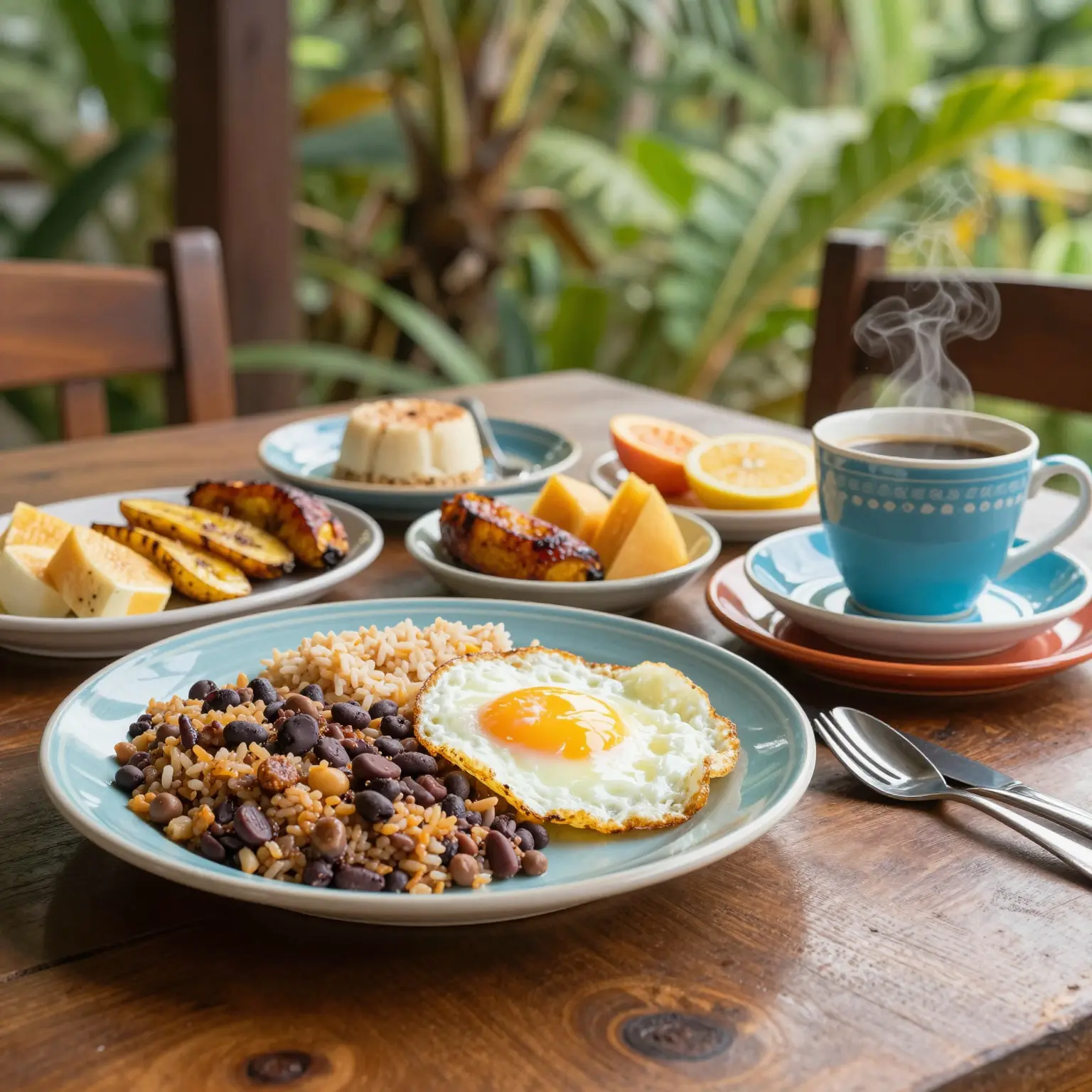
In Costa Rica, breakfast is not just a meal but a significant cultural event, deeply rooted in social dynamics and business harmony. Known primarily for its staple dish, Gallo Pinto-which is a hearty mix of rice and beans-breakfast is often accompanied by fresh fruit, eggs, and a cup of strong local coffee. This meal serves not just nutritional purposes but also plays an integral role in fostering relationships and networking within the business community.
Breakfast as a Networking Opportunity
Breakfast meetings in Costa Rica are viewed as essential opportunities for networking. The informal nature of these gatherings allows individuals to connect on a personal level, which is crucial in a culture that highly values social connection and trust. Costa Ricans often engage in light conversation over breakfast before transitioning into business discussions. This practice reflects the country’s emphasis on building relationships over transactional interactions.
Key reasons why breakfast meetings are valued include:
- Comfortable Atmosphere: The relaxed environment helps people open up and share ideas more freely than in formal settings.
- Time to Connect: Early morning meetings allow participants to engage before the busyness of the day begins, creating a conducive atmosphere for dialogue and collaboration.
- Cultural Significance: In Costa Rican culture, sharing meals is a foundational element for establishing bonds; thus, breakfast meetings align with traditional customs of hospitality.
Building Trust and Relationships
In business, establishing trust is critical, and breakfast serves as a perfect setting for this. According to local customs, when professionals meet over breakfast, it signals a willingness to invest time and effort into relationship-building. These gatherings often lead to deeper collaborations and partnerships.
The sentiment shared by Costa Ricans regarding their work culture emphasizes the importance of employee well-being over mere performance metrics. Companies that incorporate morning meals into their work culture often find that it boosts morale and productivity. The simple act of providing breakfast can foster a sense of community, enhancing teamwork across the organization.
The Social Ritual of Breakfast
Breakfast in Costa Rica is a ritual that extends beyond nutritional value; it’s a social event. Many professionals, regardless of their position within a company, engage in breakfast gatherings to exchange ideas or simply enjoy each other’s company. Events centered around breakfast can range from casual meetups to more structured meetings, but the core remains the same-the focus on connection.
For professionals looking to make an impression or build relationships in Costa Rica, proposing or accepting breakfast invitations can be a strategic move. It shows respect for local customs and an understanding of cultural values. Moreover, breakfast locations often become venues for initial conversations that can lead to future business opportunities.
Conclusion
In conclusion, breakfast in Costa Rica is a powerful tool in the business culture, facilitating personal connections and fostering a more hospitable environment for business transactions. As the nation places a high value on interpersonal relationships and socializing, prioritizing breakfast meetings can enhance networking efforts and contributing to long-term partnerships. Thus, understanding and embracing this cultural nuance can significantly benefit those engaging with the Costa Rican business community.
For more insights on the best breakfast spots to enhance your networking opportunities, check out top 10 breakfast spots for business networking and discover how daily breakfast can transform workplace dynamics through breakfast strategies for successful CEOs.
Economic Impact of the Breakfast Food Industry in Costa Rica
The breakfast food industry plays a pivotal role in the economic landscape of Costa Rica, particularly through its contributions to job creation and revenue generation. The sector primarily comprising breakfast cereals contributes approximately $56 million in revenue as of 2023. This figure indicates a robust market, underscored by an annual growth rate of 3.8%.
In addition to revenue, the broader food processing industry, encompassing the breakfast food segment, is estimated to create around 10,000 jobs in Costa Rica. This job creation is crucial for the local economy, supporting not just employment but also encouraging the development of local supply chains and enhancing the value of agricultural products.
Revenue and Job Creation Data
| Category | Data Point | Source |
|---|---|---|
| Revenue generated in 2023 (Breakfast Cereals) | $56 million | Statista Market Forecast – Costa Rica Breakfast Cereals |
| Job creation due to food processing industry | Estimated 10,000 jobs | Impact on Breakfast Foods, Inside Costa Rica Imports |
Visual Representation
Below is a chart that visually represents the economic impact of the breakfast cereals market in Costa Rica, highlighting both revenue and job creation.

Breakfast Consumption Patterns in Costa Rica
Breakfast is an essential meal in many cultures, and Costa Rica is no exception. In recent years, various studies have shed light on breakfast consumption habits among Costa Ricans, revealing significant trends and preferences.
Overview of Breakfast Consumption
According to the 2023 National Health and Nutrition Survey (ENSANUT-CR), about 71.2% of adults aged 18-65 in Costa Rica reported eating breakfast daily. This marks a notable increase from previous years, reflecting a growing awareness of the importance of morning nutrition. The survey also indicated that those who skip breakfast tend to have higher rates of overweight and obesity (42.3%) compared to daily breakfast eaters (33.1%).
Here’s a detailed look at the breakfast consumption trends based on demographic groups:
| Demographic Group | Daily Breakfast Consumers (%) | Occasional Breakfast Consumers (%) | Skippers (0-2 days/week) (%) |
|---|---|---|---|
| Overall Population | 78.6 | 15.9 | 5.5 |
| University Students | 71.0 | 8.3 | 20.7 |
| Adults (18-64 years) | 76.2 | 17.5 | 6.3 |
| Urban Population | 79.1 | 14.8 | 6.1 |
Note: The data reflects several recent studies conducted in 2023. The “skippers” category is defined as individuals consuming breakfast 0 to 2 days per week.
The overall trend indicates a high level of breakfast consumption, especially among the urban population and adults. This is significant as it showcases the cultural emphasis on breakfast, often referred to as the most important meal of the day.
Common Breakfast Items
Costa Ricans typically enjoy a variety of breakfast foods. The most common items reported include:
- Gallo Pinto: A traditional dish made of rice and beans, often served with eggs, cheese, or plantains.
- Coffee: Costa Rica is famous for its high-quality coffee, which plays a crucial role in breakfast for many.
- Bread with Jam: Simple yet popular, this often accompanies their morning routine.
- Fruits: Tropical fruits are widely consumed, adding freshness and nutrition.
A study revealed that while most breakfasts included some staple foods, only 34% of these meals met basic nutritional guidelines. This signals an opportunity for improvement, particularly regarding the inclusion of fruits, dairy, and protein sources into breakfast routines.
Conclusion
In conclusion, the breakfast culture in Costa Rica is vibrant and reflects the nation’s agricultural bounty and culinary traditions. The significant percentage of daily breakfast consumers emphasizes a positive trend towards healthy eating habits. However, the underlying nutritional quality can still be enhanced. Business owners and café owners can capitalize on this by providing diverse menu options that cater to these habits, incorporating both traditional and innovative breakfast items. As Costa Ricans continue to prioritize breakfast, the potential for growth in this market segment is substantial.
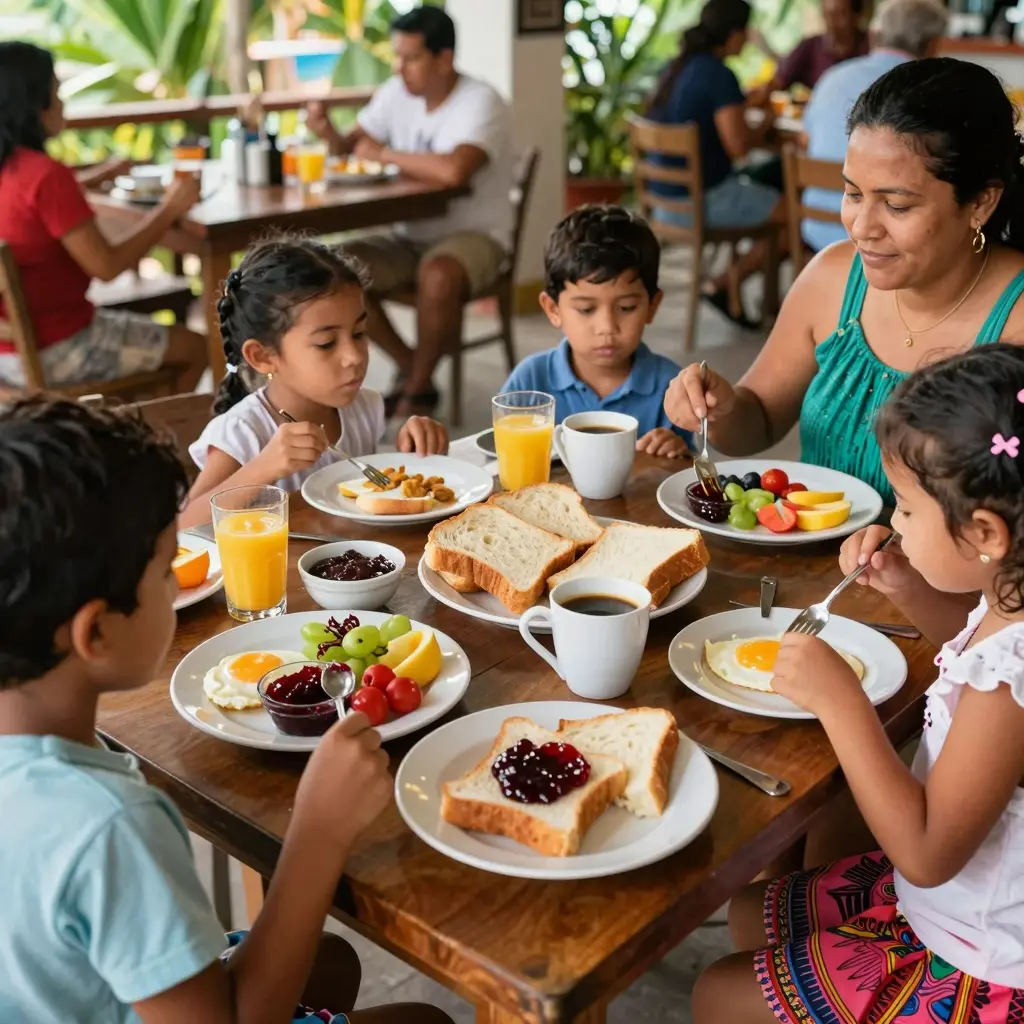
For more information about breakfast options that can enhance business networking, check out our article on top breakfast spots for business networking. To explore unique breakfast delights, visit Dimaniyat Cafe.
Conclusion
In conclusion, the cultural significance of breakfast in Costa Rica offers valuable insights for business owners looking to enhance their brand and foster community connections. Breakfast is not merely a meal; it embodies family togetherness, cultural heritage, and national pride, particularly through traditional dishes like gallo pinto. By recognizing and integrating these values into business practices, owners can create a unique identity that resonates with local customers.
For businesses seeking to thrive, considering collaborations with local vendors who supply fresh, authentic ingredients can enrich the breakfast experience. This not only supports the community but also emphasizes sustainability-a key value in today’s market. Breakfast can serve as a powerful platform for social interaction and networking, as highlighted in our article about top 10 breakfast spots for business networking.
Therefore, as a business owner, take the initiative to embrace and promote the rich breakfast customs of Costa Rica. Engage with local suppliers and celebrate breakfast not just as a necessity but as an opportunity to connect, reflect culture, and drive your business forward. By doing so, you are not only investing in your business but also nurturing a vital piece of societal culture.